Society 6 min read By Mason Emerson
At Least 21 People Shot at by Federal Immigration Agents Since Last Year
A new report reveals that federal immigration agents have shot at at least 21 people since last year, raising concerns about the use of force in enforcement operations.
At least 21 people have been shot at by federal immigration agents since last year, according to a report that highlights a growing pattern of violence in immigration enforcement. The incidents, which include shootings during vehicle stops and other encounters, have left communities across the United States grappling with the consequences of aggressive federal tactics. The report comes amid heightened tensions over immigration policy, with the Department of Justice also escalating legal battles against states that limit cooperation with federal authorities.
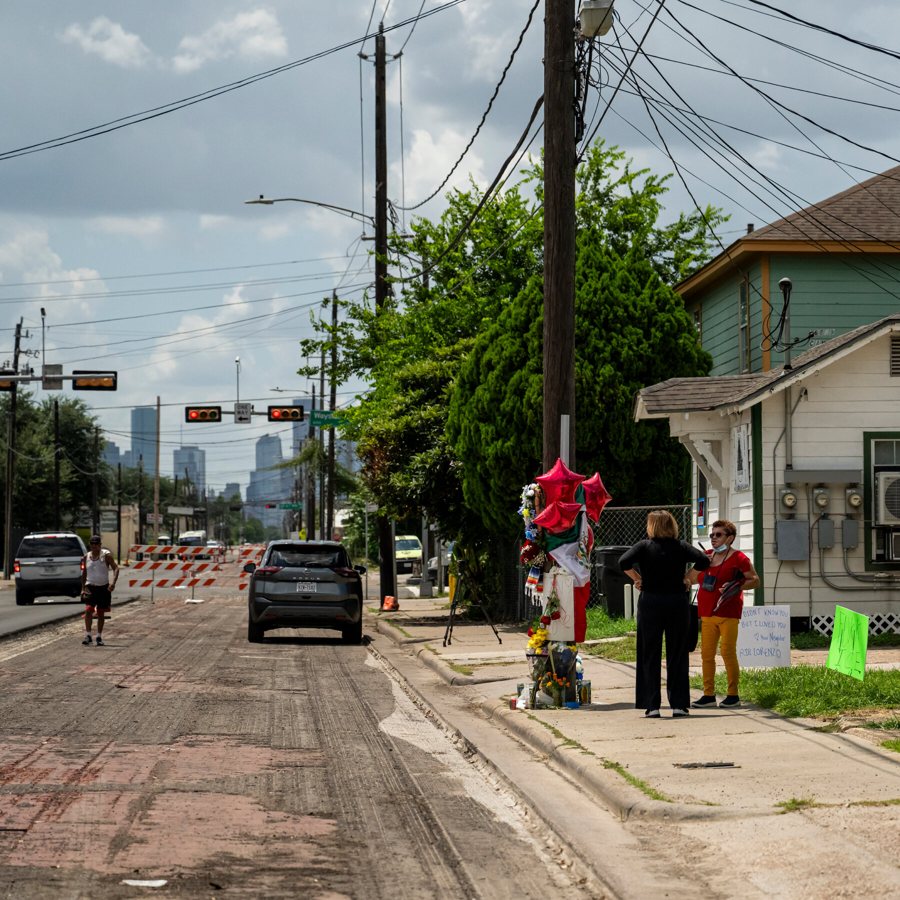
The most recent case involves Lorenzo Salgado Araujo, who was shot by an Immigration and Customs Enforcement (ICE) agent during an encounter in Houston early Tuesday morning. Community members have since left flowers, candles, signs, and the flag of Mexico at the site, mourning the loss and demanding accountability. The shooting underscores the risks faced by individuals during immigration operations, as federal agents increasingly use firearms in the field.
Since last year, the number of people shot at by immigration agents has drawn scrutiny from advocacy groups and lawmakers. Critics argue that the use of force is disproportionate and that agents lack adequate training to de-escalate situations. The report does not specify how many of the 21 individuals were killed or injured, but it notes that the incidents span multiple states and involve a range of circumstances, including traffic stops and home raids.
The rise in shootings coincides with a broader federal crackdown on illegal immigration under the Trump administration. The Department of Homeland Security (DHS) has defended ICE officers, stating that they are held to the highest professional standard and receive ongoing training. In a statement, DHS emphasized that agents operate in challenging environments and must sometimes use force to protect themselves or the public.
Meanwhile, the Department of Justice has intensified its efforts to challenge sanctuary policies that limit cooperation with federal immigration enforcement. In a recent lawsuit against Maryland, the DOJ accused the state of engaging in an active and deliberate effort to obstruct federal immigration law. The lawsuit, filed in Maryland federal court, argues that the state's Community Trust Act violates the supremacy clause of the Constitution by preventing local authorities from cooperating with ICE.
The Community Trust Act, which became law earlier this year after Governor Wes Moore allowed it to pass without his signature, prohibits correctional facilities from transferring individuals into federal custody without a valid judicial warrant. The DOJ contends that this policy undermines public safety by allowing dangerous individuals to be released back into communities. The lawsuit cites a specific incident on May 29, 2026, when a Worcester County Jail warden refused to honor an ICE detainer, denying a scheduled pickup and releasing the individual in question.
Seventeen of Maryland's 24 sheriffs have also sued the state, arguing that the law interferes with their ability to coordinate with ICE regarding individuals who may pose threats to public safety. The sheriffs claim that Governor Moore acknowledged the unintended public safety consequences of the legislation during a phone call. Moore's office confirmed the call but defended the law, stating that it keeps local law enforcement focused on reducing violent crime while allowing coordination with federal authorities for serious crimes.
The DOJ's lawsuit against Maryland is part of a broader campaign against sanctuary jurisdictions. Since February 2025, when the U.S. attorney general ordered the DOJ to identify obstructive policies, the department has filed 20 other lawsuits against states including Colorado, Connecticut, Illinois, and New York. Associate U.S. Attorney General Stanley Woodward stated that the department will not tolerate lawless action from state leaders who thwart federal immigration enforcement.
DHS has condemned sanctuary policies, claiming that seven of the ten safest cities cooperate with ICE. The agency argues that when local authorities refuse to work with federal agents, ICE must maintain a more visible presence to apprehend criminals released from jails. DHS provided the names of five illegal migrants arrested by ICE in Maryland on suspicion of crimes including homicide, sexual assault, incest, and drug trafficking, though it did not specify when they were arrested or their current statuses.
The shootings by immigration agents and the legal battles over sanctuary policies reflect a deepening divide over immigration enforcement in the United States. As communities mourn victims like Lorenzo Salgado Araujo, the debate over the role of federal agents and the rights of states to limit cooperation continues to intensify.