Politics 4 min read By Lauren Baxter
Young Americans Increasingly Drawn to Socialism, Polls Show
Recent polls and primary election results indicate a growing embrace of socialist ideas among young Americans, driven by economic frustrations and a belief that capitalism has failed them.
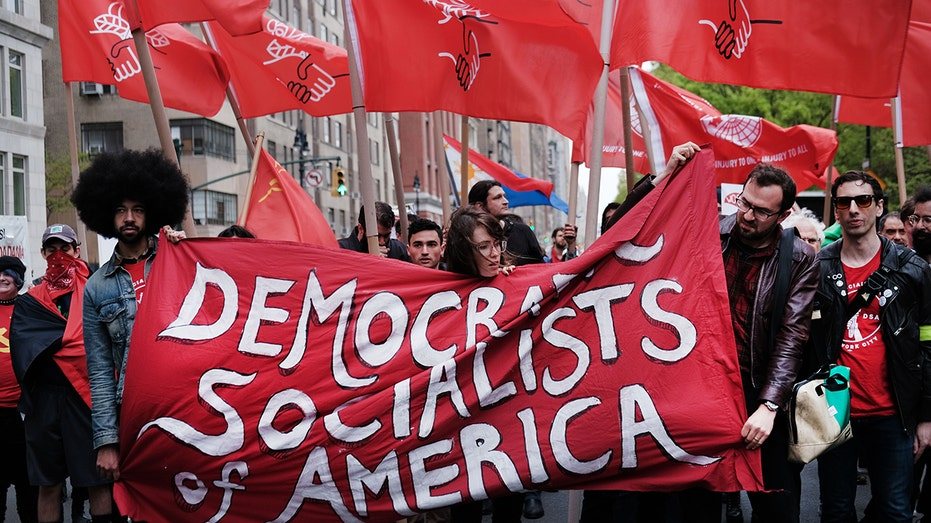
A series of recent primary elections and national surveys reveal a significant shift among young Americans toward socialist policies, challenging the traditional political landscape. In New York, three candidates backed by self-described socialist Mayor Zohran Mamdani—Brad Lander, Claire Valdez, and Darializa Avila Chevalier—won Democratic congressional primaries, defeating establishment-backed opponents. These victories, along with the success of 29-year-old socialist Melat Kiros in Colorado’s 1st Congressional District, where she unseated 30-year incumbent Rep. Diana DeGette, demonstrate that socialist influence is expanding beyond college campuses and activist circles into mainstream politics.
According to surveys conducted by The Heartland Institute and Rasmussen Reports in 2025, 53% of likely voters aged 18 to 39 said they want a Democratic Socialist to win the 2028 presidential election. A separate November poll confirmed this trend, showing 51% of young voters favoring a socialist candidate, including 27% who voted for President Donald Trump in 2024. The surveys also found that 76% of young voters agree that major industries like health care, energy, and big tech should be nationalized to give more control to the people.
The appeal of socialism among young Americans appears rooted in economic anxiety rather than ideological commitment. In the September survey, 62% of young voters said the American economy is unfair to young people, and 36% reported struggling financially or being in crisis. Housing costs emerged as a primary concern, with 74% of young voters describing the cost of housing as a crisis. Among those who supported a socialist president, 31% cited high housing costs as their main reason. Additionally, 55% supported a law that would confiscate what they consider “excess wealth”—including second homes, luxury cars, and private boats—to help young people buy their first home.
Mayor Mamdani’s policies have gained notable popularity. The November poll found that 52% of young voters have a favorable view of Mamdani, while 62% support expanding his proposals for more government housing and rent freezes nationwide. Fifty-eight percent also backed expanding his plan for government-owned grocery stores to every town in America. These findings suggest that young voters are drawn to concrete policy solutions that address their immediate economic struggles.
Conservatives and free-market advocates argue that the narrative driving this shift is misleading. They contend that young Americans are being told a simplistic story: that capitalism has failed them, that they cannot afford homes, build wealth, or get ahead because the system is rigged. While acknowledging that many young people face real challenges—high housing costs, expensive health care, rising tuition, and inflation—they point to crony capitalism, excessive regulation, and government policies as the true culprits. Solutions, they argue, lie in deregulation, increasing housing supply, cutting government spending, and reforming higher education, not in nationalizing industries.
The growing embrace of socialism among young voters represents a significant challenge for both major political parties. For Democrats, the rise of socialist candidates threatens to pull the party further left, potentially alienating moderate voters. For Republicans, the trend underscores the need to address the economic grievances driving young people toward socialism, rather than dismissing it as a fringe movement. As one pollster noted, the numbers don’t lie: young Americans are falling in love with socialism, and the political establishment is only beginning to grapple with the consequences.