Politics 5 min read By Lauren Baxter
Trump Ties SAVE Act to Defense Spending, Housing Bill in Push for Passage
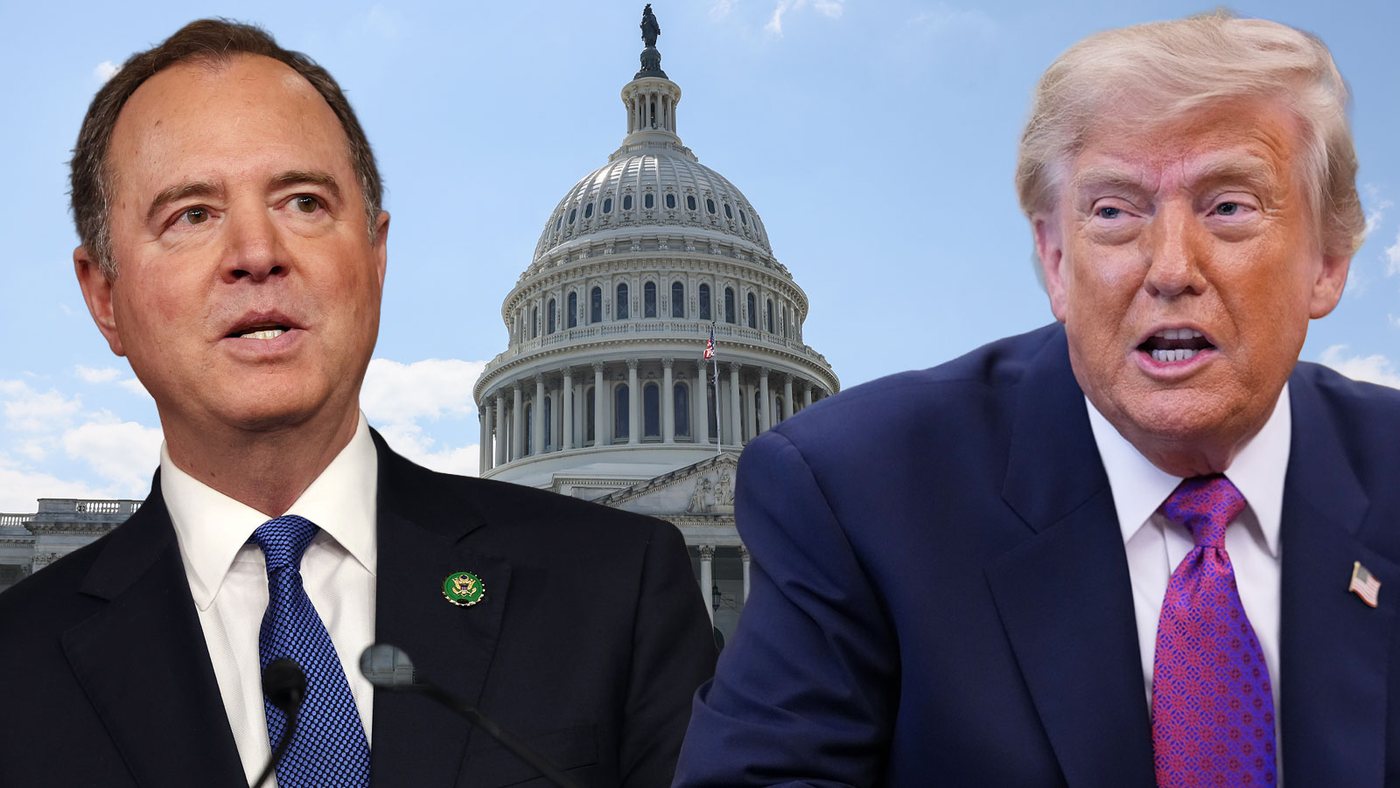
President Donald Trump is leveraging the stalled SAVE America Act to pressure Congress, linking it to defense spending and housing legislation as Republicans race to act before the midterm elections.
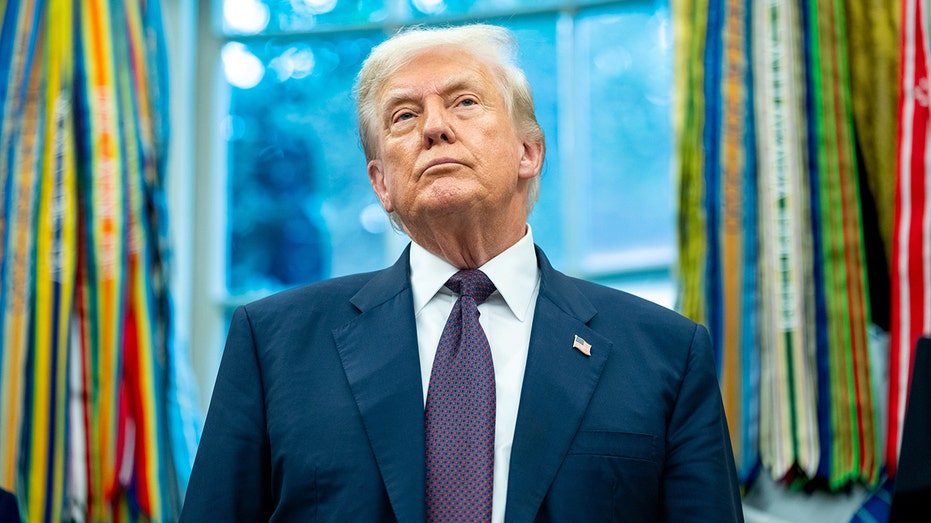
President Donald Trump is escalating pressure on Congress by tying the stalled SAVE America Act to unrelated Republican priorities, including a proposed $350 billion defense spending package and a bipartisan housing bill, as the party seeks to use its majorities before the midterm elections narrow the window for legislative action.
The latest move came Tuesday when Trump, in a post on Truth Social, called for pairing the SAVE America Act with what he termed a «Reconciliation 3.0» package for defense funding. «The SAVE AMERICA ACT, which everyone is asking for, paired with the full funding of our Great Department of War, can be passed, very quickly, ensuring that the United States of America stays FREE for Generations to come,» Trump wrote.
The SAVE America Act, which includes voter ID requirements and citizenship verification measures, has faced significant obstacles in the Senate. Trump has long advocated for such laws, dating back to his 2016 campaign, arguing they are necessary to secure elections. White House spokesperson Abigail Jackson said the bill remains a top priority, calling it «commonsense legislation» supported by most Americans.
In late June, Trump abruptly canceled the signing of the 21st Century ROAD Act of Housing, a bipartisan bill aimed at expanding housing supply and banning large institutional investors from buying single-family homes. The move stunned lawmakers on both sides. Republican Sen. Susan Collins of Maine said the decision «made no sense,» while Democratic Sen. Elizabeth Warren of Massachusetts accused Trump of refusing to sign at the «11th hour.»
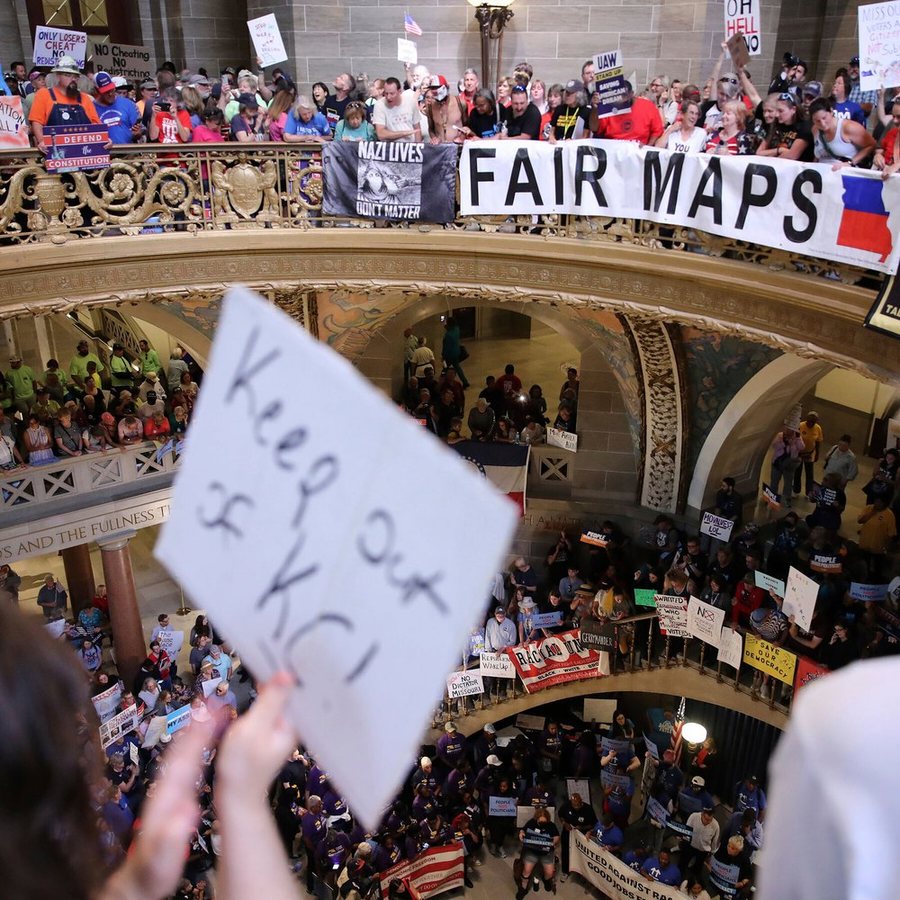
Democratic leaders have criticized the SAVE Act as a voter suppression measure. Senate Majority Leader Chuck Schumer of New York said Trump «won’t sign our bipartisan bill to finally bring relief to the housing market until he gets his SAVE Act to rig the midterms and kick millions of American citizens off the voter rolls.» House Minority Leader Hakeem Jeffries of New York posted on X that Trump «thinks that passing a voter suppression law is the most important thing for our country.»
The SAVE Act has also become entangled in Senate primary politics, particularly in Texas. Republican Senate nominee Ken Paxton, who has Trump’s endorsement, previously offered to drop out of the race if Senate leadership agreed to lift the filibuster and pass the bill. Incumbent Sen. John Cornyn declined to back the SAVE Act but signaled he might reconsider his support for the filibuster, sharpening the primary contest.
Trump’s push for the SAVE Act intensified after the Supreme Court upheld birthright citizenship under the 14th Amendment. Trump wrote on Truth Social that the ruling was «too bad for our Country, but we can easily make it up in Congress through Legislation.» The bill is now part of his broader immigration and election integrity agenda.
Senate Majority Leader John Thune has cast doubt on the bill’s prospects, noting Republicans lack the 60 votes needed to overcome a Democratic filibuster. Trump has urged Senate Republicans to change the rules and pass the bill by a simple majority, while pressing Democrats to defend their reliance on the filibuster. Trump has warned that the SAVE Act may never pass if it does not clear Congress before November.
Vice President JD Vance has joined the effort, arguing that passing voter ID laws would end debates about election fraud. «We are the only advanced democracy anywhere in the entire world that doesn't require you to show a voter ID to vote,» Vance said. «Just give us election integrity laws, give us voter ID, and then we will have the confidence to say to the American people, there's no cheating.»
The Senate is scheduled to return from its Independence Day recess the week of July 13, setting the stage for further negotiations. With the midterm clock ticking, Trump’s strategy of linking the SAVE Act to other priorities is testing Republican unity and the limits of legislative maneuvering.