Politics 6 min read By Lauren Baxter
Senate returns to packed agenda after Graham's death shrinks GOP margin
The Senate returns from recess to a crowded agenda including nominations, Iran strikes, government funding, and Trump's SAVE Act, with Republicans now down one key vote following the death of Sen. Lindsey Graham.
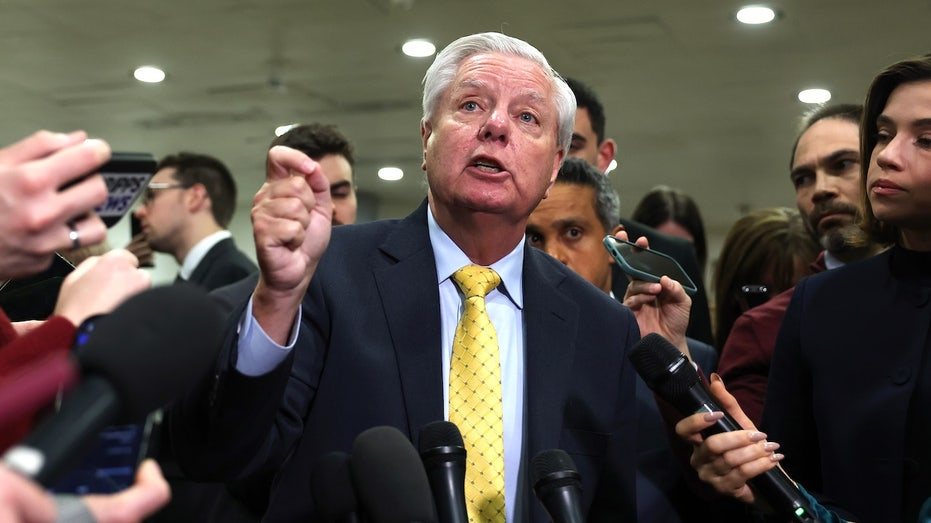
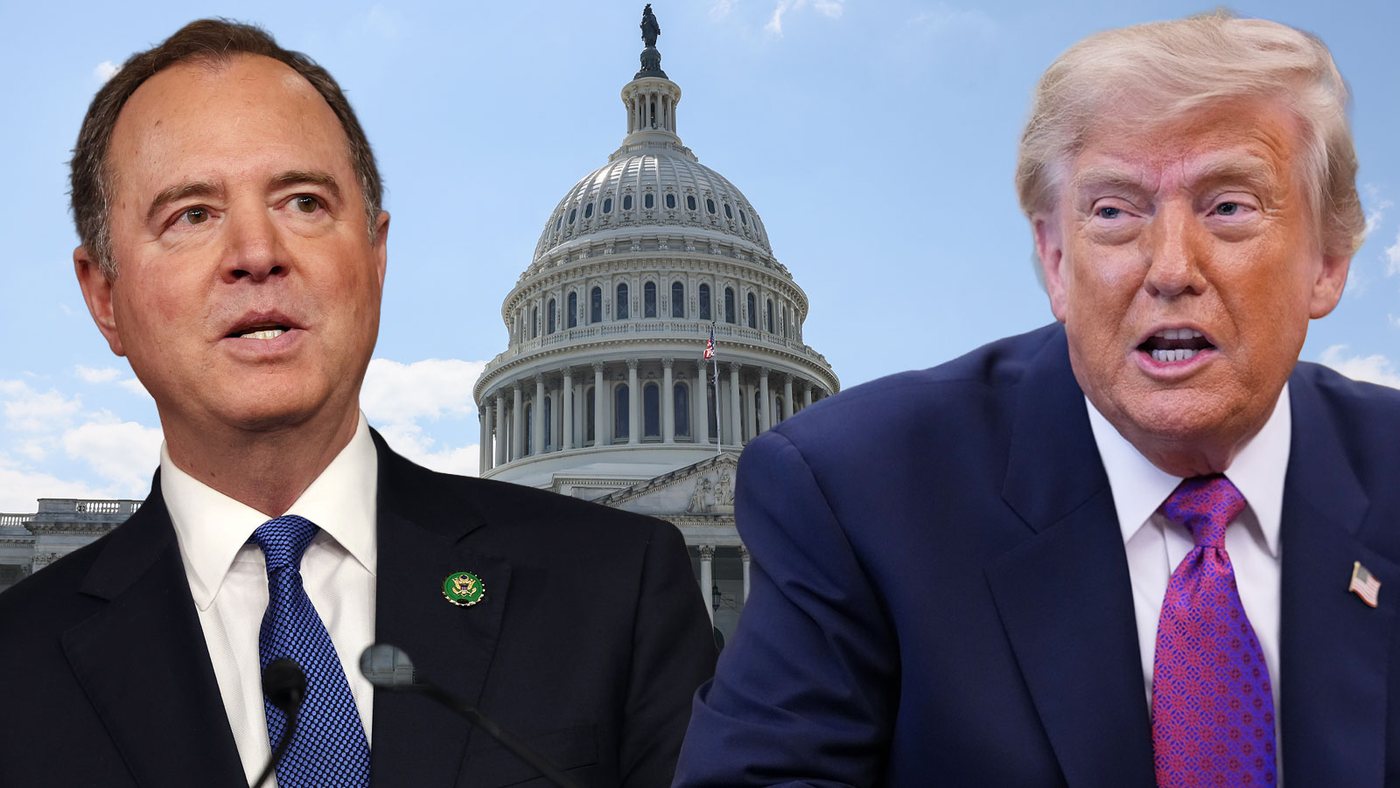
The Senate returns to Washington this week after a more than two-week recess to confront a packed agenda that includes contentious nominations, renewed military action in Iran, government funding deadlines, and President Donald Trump's push for his flagship election integrity legislation. The upper chamber faces an uphill climb as Republicans navigate a narrower majority following the sudden death of Senator Lindsey Graham of South Carolina, which leaves the GOP with one fewer vote in their efforts to advance Trump's agenda.
Senate Majority Leader John Thune of South Dakota will be tasked with keeping his conference unified, while Senate Minority Leader Chuck Schumer of New York and Democrats are expected to exploit any fractures within Republican ranks to slow down the president's priorities. The loss of Graham, a key Republican voice on national security and judicial matters, adds pressure on Thune to maintain discipline as the party seeks to move forward on multiple fronts before the August recess.
One of the most contentious issues awaiting lawmakers is Trump's insistence on passing the Safeguarding American Voter Eligibility Act, known as the SAVE Act. The president has already refused to sign a bipartisan housing package in protest of the stalled legislation and now wants Republicans to attach the voter bill to the National Defense Authorization Act, a must-pass military funding bill that requires Democratic votes to clear the 60-vote threshold in the Senate. Adding the SAVE Act to the NDAA would almost certainly guarantee that no Democrat supports it, complicating the path for the defense authorization.
Senator Mike Rounds of South Dakota, a member of the Senate Appropriations Committee, warned that attaching the SAVE Act to the NDAA would hand Democrats leverage to block other priorities. Rounds told Fox News Digital that Democrats would have a reason to stop legislation they might otherwise support, including the NDAA or appropriations bills. He noted that Democrats see the SAVE Act as an Achilles heel for Republicans because they know the votes are not there at a 60-vote margin.
Another pressing matter is the confirmation of a new acting Director of National Intelligence. Trump's appointment of Bill Pulte in June disrupted Congress's push to reauthorize Section 702 of the Foreign Intelligence Surveillance Act, a key anti-terrorism tool, after lawmakers from both parties raised concerns about Pulte's qualifications. His replacement, Jay Clayton, is scheduled to appear before the Senate Intelligence Committee on Wednesday for his confirmation hearing. Trump had previously pulled Clayton's initial hearing, further delaying the reauthorization process.
Acting Attorney General Todd Blanche will also face a confirmation hearing this week. Blanche, who served as the president's lead attorney in his now-defunct anti-weaponization fund, has been making the rounds with lawmakers. Senator Thom Tillis of North Carolina, who has expressed skepticism, said he has a positive predisposition toward Blanche but will go through the nomination process.
Republicans are also eager to begin the government funding process, testing whether Democrats will support appropriations bills or risk a shutdown for political advantage. Rounds said he expects several spending bills to reach the Senate floor during the July sprint. Senate Democrats have indicated they want to fund the government through regular appropriations, but concerns remain that the Trump administration may withhold funding for some of their priorities. Rounds warned that if Democrats do not provide the votes, Republicans will know that political considerations are taking priority, and they may begin negotiating a continuing resolution to get through the election.
The administration's renewed strikes in Iran, which began last week over frustrations with Iranian interference in the Strait of Hormuz, could further erode Democratic support for legislation. Trump had previously agreed to a temporary ceasefire with Iran to allow for negotiations, but he announced on Truth Social that the ceasefire is over, stating that the United States has agreed to continue talks but made clear that the ceasefire is no longer in effect. Several lawmakers on both sides had welcomed the pause in fighting, but the renewed strikes are likely to stoke Democratic efforts to rein in the president's war authorities. Senator Tim Kaine of Virginia said Congress voted against more war with Iran and argued that the United States should not be launching new strikes without congressional authorization, warning that restarting the war has raised gas prices, killed Americans, and hurt the economy.
As the Senate returns to a packed schedule, the combination of a reduced Republican majority, internal divisions over the SAVE Act, and contentious foreign policy decisions will test Thune's ability to keep his conference united and advance Trump's agenda before the August recess.