Politics 4 min read By Mason Emerson
New York Mayor Mamdani Says Democratic Party Is Run by Consultants and Big Money
New York City Mayor Zohran Mamdani criticized the Democratic Party as being controlled by well-paid consultants and corporate interests, arguing it has lost focus on working-class voters.
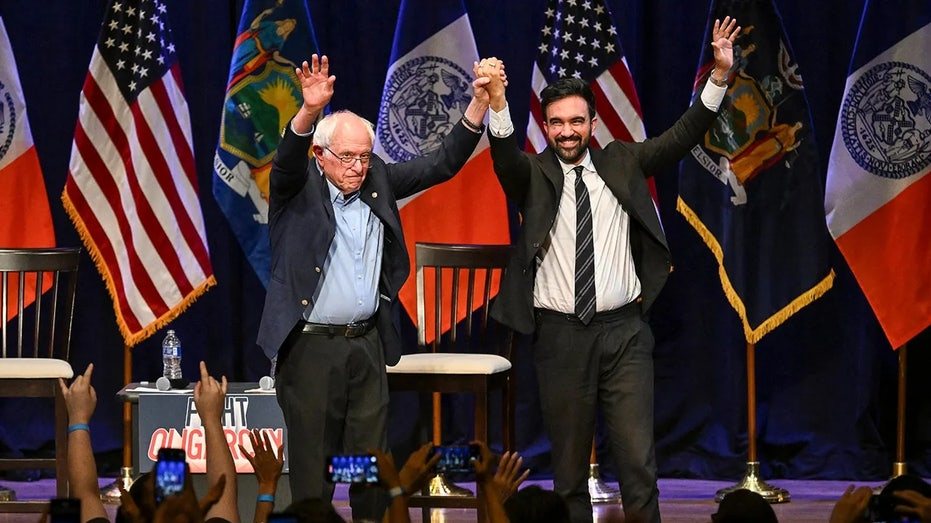
New York City Mayor Zohran Mamdani has sharply criticized the Democratic Party, claiming it has become dominated by well-paid consultants and big-money interests rather than representing the working class. In an interview with Rolling Stone published Tuesday, Mamdani responded to recent comments from former Democratic National Committee Chair Jaime Harrison, who had attacked candidates backed by the Democratic Socialists of America after they defeated incumbent politicians in a primary election last month.
Harrison had written on X that candidates who dislike the Democratic Party should not seek its nomination or use its resources. He said political parties are built by millions of people who volunteer and fight for their values, and that those who do not believe in the party should not ask its members for support. Mamdani dismissed Harrison's remarks as disingenuous, noting that when someone says they speak without ill will, they often proceed to express hostility.
Mamdani argued that the Democratic Party has strayed from its historical commitment to working people. He pointed to the New Deal era as a time when the party was unapologetically focused on the working class, and he expressed excitement about returning to that focus. The mayor emphasized that voters across the country want a party that understands and fights for the working majority, not one controlled by consultants and wealthy donors.
The mayor's comments come amid broader tensions within the Democratic Party between establishment figures and progressive or socialist-leaning factions. Mamdani himself has a history of dodging questions about his positions on key issues, and he recently struggled to define who qualifies as working class, eventually describing it as those who work to afford basic dignities of life but cannot, and drawing a line at about one million dollars a year in income.
Mamdani has previously criticized the Democratic Party for losing its focus on working people and has pushed for more efforts to combat high prices. His remarks reflect a growing divide within the party as it grapples with its identity and direction following recent electoral setbacks. The DNC did not immediately respond to a request for comment on Mamdani's statements.
The mayor's critique also highlights the influence of the Democratic Socialists of America, which has backed candidates who have defeated establishment incumbents in recent primaries. This trend has alarmed some party leaders who fear that socialist candidates could alienate moderate voters and weaken the party's chances in general elections. However, Mamdani and his allies argue that the party must embrace progressive policies to energize the working-class base that has been drifting away from the Democratic Party in recent years.
Political analysts note that the internal struggle over the party's direction is likely to intensify as the 2026 midterm elections approach. The outcome of these debates could shape the Democratic Party's platform and strategy for years to come, with significant implications for national politics. Mamdani's outspoken criticism underscores the depth of the divisions and the challenge party leaders face in uniting the various factions under a common banner.