Politics 6 min read By Mason Emerson
Michigan Senate primary becomes key test in Democratic civil war
The Democratic primary in Michigan to succeed retiring Senator Gary Peters has become a high-stakes showdown between progressive Abdul El-Sayed and moderate Haley Stevens, with national implications for the party's direction and control of the Senate.
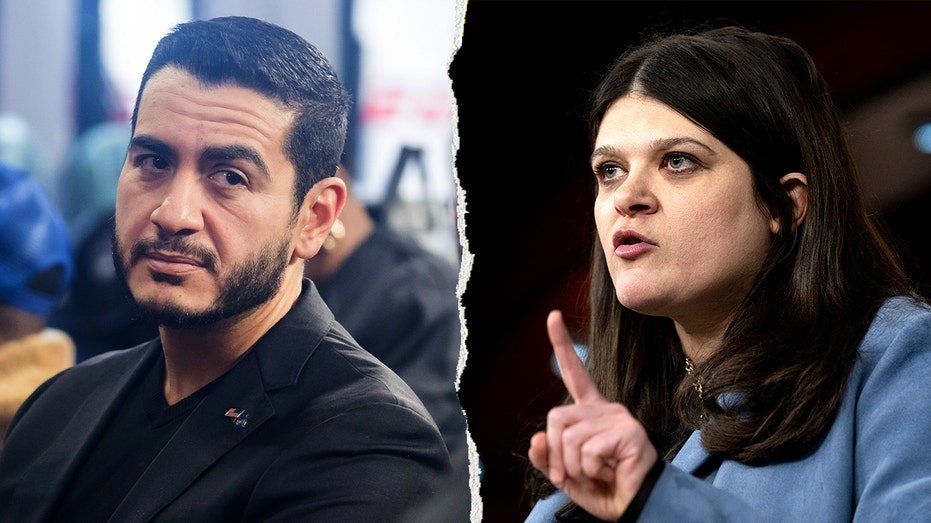
The internal battle between the progressive and moderate wings of the Democratic Party is intensifying as the primary race in Michigan to replace retiring Senator Gary Peters enters its final weeks. The contest pits Representative Haley Stevens, a centrist backed by Senate Minority Leader Chuck Schumer and the party establishment, against Abdul El-Sayed, a left-wing candidate endorsed by Senator Bernie Sanders and Representative Alexandria Ocasio-Cortez. The winner of the August 4 primary will face former Republican Representative Mike Rogers in the November midterm election, a race widely considered a toss-up by nonpartisan analysts.
The Michigan Senate seat is a critical battleground for Democrats, who currently hold a 53-47 minority in the chamber and view the seat as essential to their hopes of reclaiming the majority. The Cook Political Report rates the general election contest as a toss-up, reflecting the state's competitive nature after President Donald Trump carried Michigan by just over one percentage point in 2024. The primary has drawn national attention as a bellwether for the party's ideological direction, following recent victories by far-left candidates in deep-blue districts in New York and Colorado.
The race narrowed to a two-way contest on Sunday when state Senator Mallory McMorrow, a progressive who had occupied a middle ground between Stevens and El-Sayed, suspended her campaign. McMorrow cited faltering poll numbers and fundraising challenges that left her unable to keep pace with her rivals. In her announcement, she pledged to support the eventual Democratic nominee and emphasized that she is not leaving the fight for progressive values. Stevens praised McMorrow as an important voice for Michigan families, while El-Sayed characterized her departure as evidence of a rigged political system dominated by party insiders and corporate money.
El-Sayed, an epidemiologist and former Wayne County Health Department director, has built his campaign around a platform that includes Medicare for All, abolishing Immigration and Customs Enforcement, and strong criticism of Israel's actions in Gaza, which he has described as genocide. He has also vowed not to accept donations from political action committees, positioning himself as an outsider challenging the establishment. If elected, he would become the first Muslim senator in U.S. history. His supporters view him as a transformative figure who can mobilize a new generation of voters, but his past comments have sparked controversy and raised concerns among party leaders about his electability in a swing state.
Stevens, a two-term congresswoman representing a suburban Detroit district, has emphasized her record on manufacturing jobs, lowering costs, and standing up to what she calls Trump's abuses of power. She has received substantial support from super PACs, including millions from Israel-aligned groups, and has argued that she is the strongest candidate to defeat Rogers in November. The party establishment views her as a safer choice who can appeal to moderate and independent voters in a state that Trump narrowly carried. Schumer and other Democratic leaders have warned that nominating El-Sayed could jeopardize the seat by pushing the party too far to the left.
The primary has become a proxy for the broader struggle within the Democratic Party between its progressive and centrist factions. Recent contests in New York City and Colorado saw victories by socialist candidates in safe Democratic districts, but Michigan represents a higher-stakes test because the general election will be competitive. Matt Bennett, a leader at the center-left organization Third Way, told Fox News that the Michigan primary is much more significant than those earlier races because it will determine the party's nominee in a state that could decide control of the Senate.
Rogers, the likely Republican nominee, is running for the Senate for the second consecutive cycle after narrowly losing to Senator Elissa Slotkin in 2024. He has been consolidating GOP support and is expected to face the Democratic nominee in a race that will be heavily influenced by national political trends and the performance of the Trump administration. The outcome of the primary will shape the messaging and strategy for both parties in a state that has become a perennial battleground.
El-Sayed has called on McMorrow's supporters to join his movement to challenge what he describes as a corrupt political system dominated by big money. He has accused party insiders of spending millions to influence the primary and has framed his campaign as a fight for working families. Stevens, meanwhile, has focused on her legislative record and her ability to work across the aisle, arguing that she can deliver results for Michigan while holding the line against Republican policies. The race is expected to intensify in the coming weeks as both candidates ramp up their outreach to voters across the state.