Politics 5 min read By Mason Emerson
Federal Judge Blocks Philadelphia Mask Ban Targeting Federal Officers
A federal judge has temporarily blocked Philadelphia from enforcing a law that restricts federal officers from wearing masks, concealing identification, and using unmarked vehicles, siding with the Justice Department in a legal dispute over local interference with federal law enforcement operations.
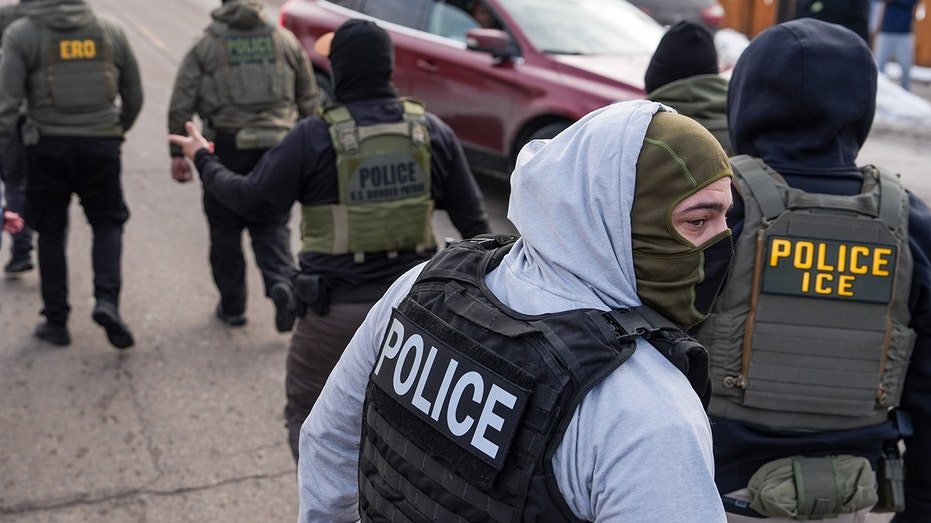
A federal judge on Thursday issued a preliminary injunction blocking Philadelphia from enforcing a recently passed law that restricts law enforcement officers from wearing masks, concealing their identification, and using unmarked vehicles, specifically as it applies to federal officers. U.S. District Judge Chad Kenney ruled that the city cannot dictate how federal agents conduct their operations, siding with the Justice Department, which had sued last month arguing the measure was an unconstitutional attempt to regulate federal authority.
The law, approved by the Philadelphia City Council earlier this year as part of a broader legislative package, was set to take effect on Tuesday. It would have banned covered officers—including local, state, and federal law enforcement—from wearing masks or shielding their identities while on duty and interacting with the public, with limited exceptions for medical masks, religious coverings, certain tactical equipment, and hazardous conditions. Officers would also have been required to wear visible badges and use marked vehicles in specific circumstances, with violations carrying civil and criminal penalties.
Judge Kenney’s ruling emphasized the supremacy of federal law over local ordinances, citing the Constitution’s Supremacy Clause, which establishes that federal law preempts state and local law in cases of conflict. In his opinion, Kenney wrote that the Philadelphia City Council “attempted to sidestep the Constitution’s clear mandate and disregarded this fundamental principle of law that has informed American jurisprudence for over 200 years.” He added that endorsing the city’s position would allow municipalities to decide “how, when, where, and whether federal law enforcement officers can conceal their identities,” a power that does not belong to local governments.
The legal challenge is part of a broader national debate over masked immigration agents conducting enforcement operations in communities across the country. Some of these agents have been documented using force, including incidents in Minneapolis in January where two U.S. citizens were shot. The Philadelphia law was passed amid public concern over such operations, but the Justice Department argued that it directly interfered with federal immigration enforcement efforts.
Philadelphia Mayor Cherelle Parker, a Democrat, declined to sign the bill, with her office citing significant legal problems identified by the city solicitor. Kenney noted that Parker “acted with civic wisdom and courage to stand up for the Constitution and follow the rule of law where it led” by not signing the measure. However, the bill was not vetoed and became law in May after Parker allowed it to take effect without her signature.
The Justice Department praised the court’s ruling, stating in a statement to Reuters that the department “will keep fighting jurisdictions that try to obstruct President Trump’s immigration enforcement with policies that endanger agents and public safety.” The department has been actively pursuing legal action against similar measures in other states, including Virginia, California, and New Jersey.
This ruling is the latest in a series of legal battles between the Trump administration and state and local governments attempting to impose mask bans or identification requirements on federal officers. On Tuesday, a federal judge blocked a similar law in Virginia barring federal law enforcement from wearing masks. In February, a federal judge halted a California law that prohibited federal officers from wearing masks while on duty. The Justice Department has also sued New Jersey to block a comparable mask ban targeting federal officers.
The Philadelphia ordinance, while applying broadly to all law enforcement, was specifically challenged by the federal government for its impact on federal agents. Judge Kenney’s injunction temporarily prevents the city from enforcing the mask ban and related restrictions against federal officers, pending further legal proceedings. The ruling underscores ongoing tensions between local governance and federal authority, particularly in the context of immigration enforcement and public safety operations.