Politics 4 min read By Lauren Baxter
Fauci's COVID Diaries Reveal Focus on Fame as Deaths Rose
Newly released diary entries from Dr. Anthony Fauci, made public by Sen. Rand Paul, show that the former White House COVID advisor became increasingly preoccupied with his growing celebrity even as the pandemic death toll mounted worldwide.
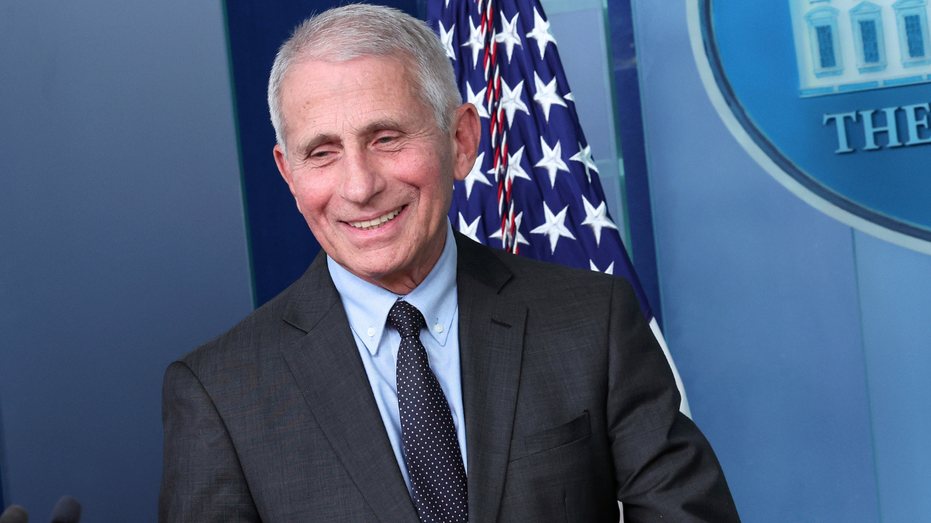
Newly released diary entries from Dr. Anthony Fauci, the former White House COVID-19 advisor, reveal that as the global pandemic death toll mounted, he became increasingly preoccupied with his own rising fame. The journals were made public by Senate Homeland Security Committee Chairman Rand Paul, Republican of Kentucky, as part of an ongoing oversight investigation. The release comes just days before Fauci is scheduled to testify before the committee after being subpoenaed by Paul.
The diaries chronicle Fauci's day-to-day role during the pandemic through conversations with President Donald Trump, governors, world leaders, and media appearances. A recurring theme throughout the entries is Fauci's growing awareness of his public profile. On April 7, 2020, he wrote, «Press still hot and heavy about me. Multiple stories per day directly or indirectly involving me.» By May 21, after recording nearly 98,000 global deaths and more than 27,000 U.S. deaths, he noted that his «national and international fame is explosive and really unimaginable» and that it was «not hyperbole» to say he was «the most famous and talked about person in the country.»
Fauci also described his relationship with President Trump, writing that the president «seems to be enamored of me even though I am taking the spotlight away from him» and that they were developing «a very unique and interesting relationship.» The diaries record that Secret Service agents had become so familiar with Fauci that they often waved him through White House security without checking his identification. In June 2020, as the United States recorded a record 40,000 new cases in a single day, Fauci wrote that he had been invited to appear on «Dancing with the Stars.» During that same period, he complained that White House communications officials were restricting his television appearances and that media coverage increasingly portrayed him as being at odds with Trump.
Beyond the attention, the diaries document Fauci's growing frustration with the Trump administration's handling of the pandemic. On July 2, 2020, after warning of an «exponential» increase in cases heading into the Fourth of July weekend, he wrote, «POTUS and his people have essentially dropped out and do not even recognize that an outbreak is ongoing.» He also defended himself against what he called «countless» profiles written about him, insisting that he had «no desire to conflict with, embarrass or show up the POTUS.» He noted that White House officials were upset because the coverage made it appear he was becoming «a star that outshines» the president, and he later decided to stop participating in profile interviews altogether.
The entries offer an unusually personal account of Fauci's role during one of the most consequential public health crises in modern U.S. history. They capture not only the government's internal deliberations but also his private concerns about the pandemic, his increasingly complicated relationship with the Trump White House, and the extraordinary public attention that followed. The pandemic ultimately claimed more than 7 million officially reported lives worldwide, including roughly 1.2 million in the United States. Paul, a longtime critic of Fauci who has frequently clashed with him over the federal response and the origins of the virus, made the diaries public as part of the committee's ongoing oversight work. Fauci is expected to testify before the Senate Homeland Security and Governmental Affairs Committee in the coming days.