Politics 3 min read By Mason Emerson
Analyst predicts Trump administration's foreign policy will collapse due to corruption
A Salon columnist argues that President Donald Trump's efforts to reshape global policy around white supremacy are being undermined by widespread graft within his administration, predicting a midterm defeat and humiliating failure.
A prominent political analyst has predicted that the Trump administration's ambitious foreign policy agenda, which he described as an attempt to create a "white-supremacist wonderland," is headed for a "humiliating implosion" driven by the administration's own rampant corruption. In a detailed editorial published over the weekend, Salon executive editor Andrew O'Hehir argued that the graft permeating the executive branch has fatally weakened the president's ability to achieve his stated goals on the international stage.
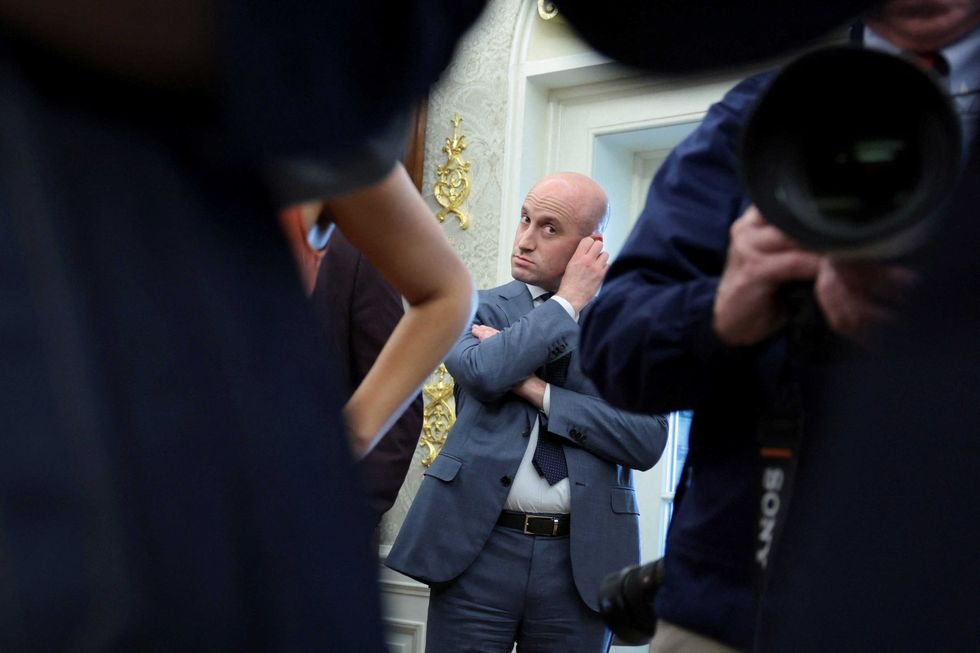
O'Hehir's analysis centers on the contrast between ideological true believers and the broader corruption in the administration. He specifically singled out White House Deputy Chief of Staff for Policy Stephen Miller, comparing him to Nazi propaganda minister Joseph Goebbels. According to O'Hehir, Miller represents a figure whose corruption is "moral rather than financial," a trait he shares with the Nazi official. This moral corruption, however, stands in stark opposition to the widespread financial corruption that O'Hehir argues characterizes the rest of the Trump team.
The columnist contends that the sheer scale of financial graft has effectively sabotaged Miller's and the administration's ideological ambitions. O'Hehir predicts that the corruption has dealt a fatal blow to Trump's popularity, setting the stage for a severe backlash in the upcoming midterm elections. He described the administration as "veering unsteadily into its lame-duck phase" and facing a likely electoral wipeout, which will leave the White House desperately searching for minor victories to present to disillusioned MAGA loyalists.
While O'Hehir finds a darkly humorous element in the situation, he also emphasizes the serious human cost. He notes that billions of taxpayer dollars appropriated by Congress for foreign aid to impoverished nations like Mali are being diverted to right-wing nationalist and white supremacist groups, as well as anti-LGBTQ organizations. "This might be amusing if real human lives weren’t at stake," he wrote, underscoring the grim consequences of the administration's policy failures.
The analysis concludes with a final pointed observation. O'Hehir argues that Trump's return to power has, at the very least, finally exposed the naivety of those who ever took the president's words at face value. The administration's inability to translate its ideological vision into effective policy, crippled by its own corruption, has left it with a legacy of failure rather than the decisive transformation its supporters had hoped for.
O'Hehir's editorial serves as a sharp critique of the administration's foreign policy record, linking its struggles directly to internal corruption. The prediction of a midterm defeat echoes broader concerns among political observers about the president's declining approval ratings and the potential for significant losses for the Republican Party in Congress.