News 5 min read By Lauren Baxter
Prince Harry Loses Privacy Lawsuit Against Daily Mail Publisher
Prince Harry suffered a major legal defeat in his privacy case against Associated Newspapers, the publisher of the Daily Mail, as a UK High Court dismissed claims of unlawful information gathering. The ruling adds to a turbulent visit to Britain, marked by security disputes and family tensions.
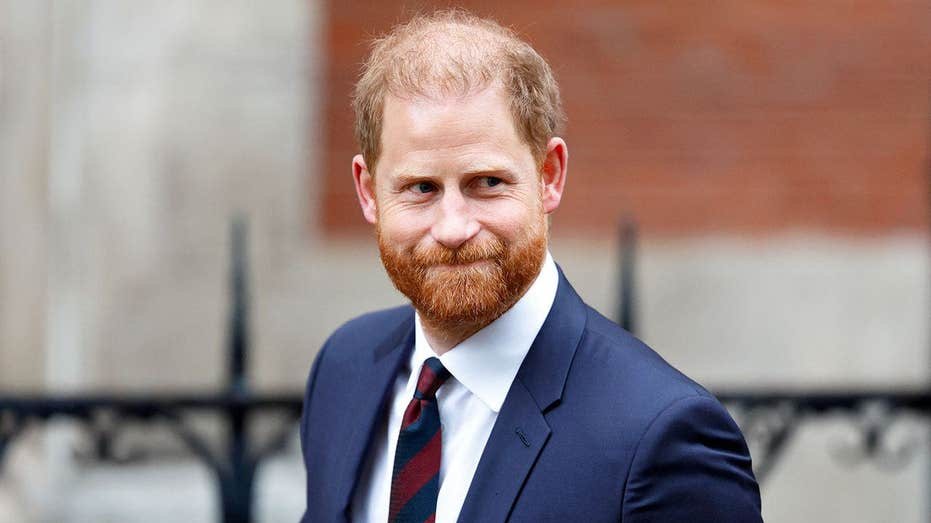
Prince Harry has suffered a significant legal defeat in his yearslong privacy lawsuit against Associated Newspapers Limited, the publisher of the Daily Mail and the Mail on Sunday, marking a rocky start to his latest visit to the United Kingdom. On July 7, the U.K.'s High Court dismissed claims brought by Harry and six other claimants, including Elton John and Elizabeth Hurley, ruling that they had failed to provide credible evidence to support allegations of unlawful information gathering by the tabloid publisher.
The decision represents a major setback for the Duke of Sussex, who has made legal battles against the British press a central focus of his post-royal life. Associated Newspapers welcomed the judgment, calling it an «overwhelming victory for the Daily Mail and its journalists, and for a free press generally.» In a statement, the publisher said that «no credible evidence was ever presented» for some of the most serious allegations, including claims that the newspaper placed bugs in people's cars and homes, listened to phone calls as they were made, and illicitly accessed bank accounts. The publisher described the allegations as «lurid» and «preposterous,» and said the case was a «politically motivated campaign to muzzle the free press.»
Royal expert Richard Fitzwilliams described the ruling as a «huge setback» for Harry, who was the lead claimant among the seven. «It is also clear that he did not choose his friends and acquaintances wisely,» Fitzwilliams told Fox News Digital. He warned that with Harry's visit already «mired in chaos, he won't elicit public sympathy.» The lawsuit, which alleged privacy violations dating from the early 1990s through the 2010s, had been a deeply personal battle for Harry. In January, he testified in London's High Court that the coverage made him «paranoid beyond belief» and claimed the outlet wanted to «drive me to drugs and drinking to sell more papers.» He fought back tears on the witness stand while speaking about his wife, Meghan Markle, saying the Daily Mail made her life «an absolute misery.»
The legal defeat compounds what has already been a turbulent trip to Britain for the Duke of Sussex. On July 6, Harry's spokesperson told People magazine that an offer for Harry to stay at Buckingham Palace during his London visit was withdrawn after he had formally accepted it. Palace sources disputed that account, saying Harry failed to respond by the deadline and that his later acceptance came only after arrangements could no longer be made. The dispute over accommodations is the latest in a series of tensions between Harry and the royal family since he and Meghan stepped back as senior royals in 2020, citing intense media scrutiny and a lack of support from the palace.
Harry had also hoped to bring his wife and their two young children to Britain for the first time since 2022. However, after learning that the family would receive police protection only while on royal property — and not throughout the visit — it was reported on July 4 that Harry decided they would not accompany him. On July 6, the prince arrived alone in the U.K. and is expected to remain through July 11. It remains unclear whether he will meet with his father, King Charles III, or whether his family will join him later in the week. Harry has also been denied restoration of taxpayer-funded security by the Executive Committee for the Protection of Royalty and Public Figures, known as RAVEC. People magazine reported that Harry's team spent several days exploring ways to make the visit safe through enhanced private security arrangements.
The Duke of Sussex has launched a series of lawsuits against the British press in recent years. He and Meghan previously received a symbolic £1 in damages from the Mail on Sunday after winning a legal case against the paper for publishing a personal letter Meghan wrote to her father, Thomas Markle, in 2018. The latest ruling, however, represents a clear defeat for Harry and his co-claimants. The court found that the roughly 50 articles at issue were based on legitimate sources, including acquaintances willing to talk about their famous friends, rather than unlawful information gathering. Harry had previously said that private information attributed to «sources» and «friends» fueled his suspicion that people close to him were leaking details to journalists. The judgment, which exonerated the journalists involved, leaves Harry with few legal options and adds to the challenges he faces during his current visit to Britain.