
News 1 min read By Morgan Griffin
No totality in the U.S. this time: how to watch the August 12 eclipse
Northern parts of the United States will see a partial solar eclipse on Aug. 12, while the full spectacle happens across the Arctic, Iceland and Spain.
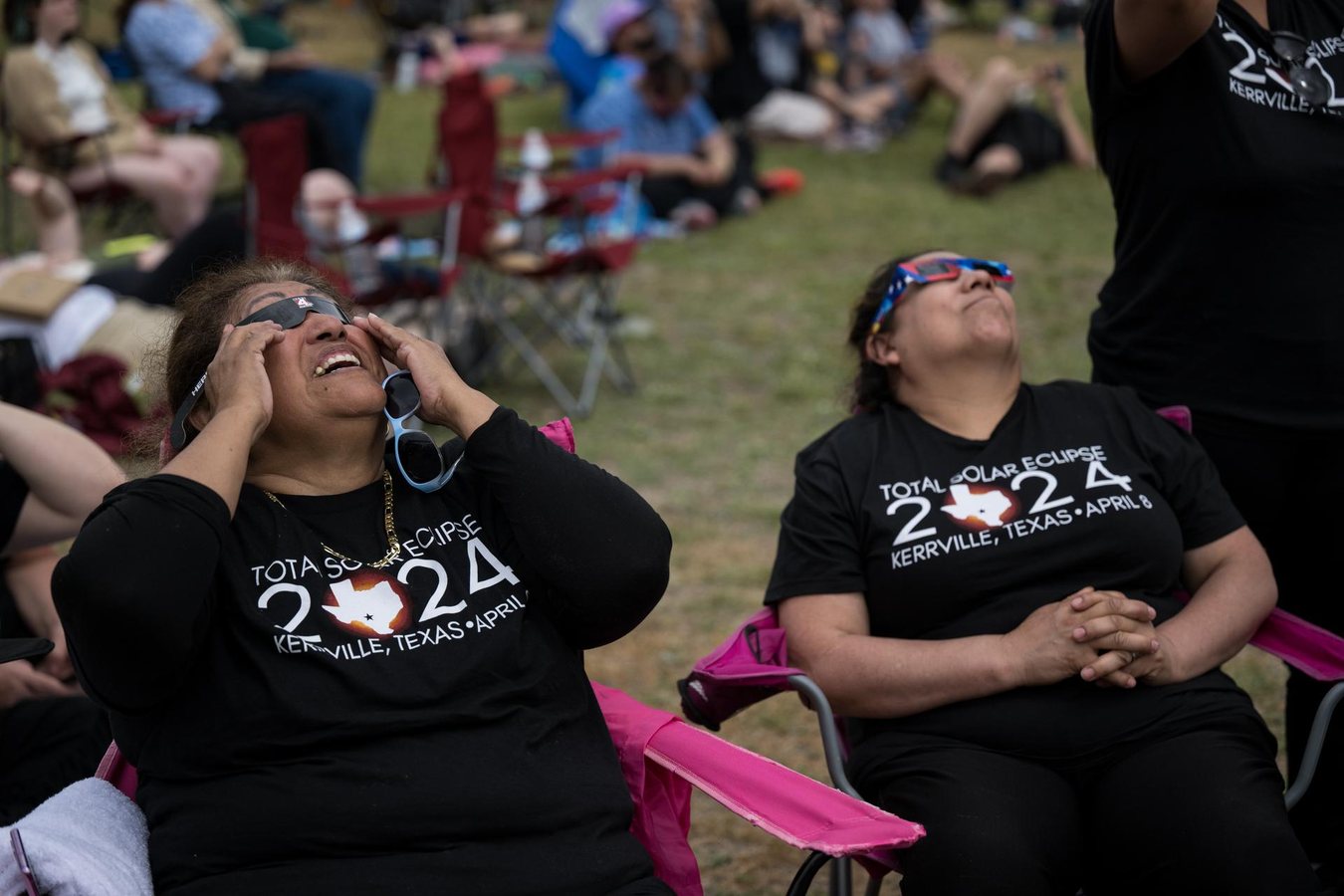
The Aug. 12 solar eclipse is a major global event, but the United States will be watching from the edge of the Moon’s shadow. Totality misses the country entirely; the narrow central path instead crosses far northern Russia, Greenland, Iceland and Spain before clipping northeastern Portugal.
There is still something to see in the North. NASA lists 37% solar coverage in Fairbanks, 28% in Anchorage, 24% in Bangor, Maine, 16% in Boston and 9% in New York City. The partial phase is much shallower farther south, with Washington, D.C., listed at about 4%.
The easiest mistake is treating a small partial eclipse as harmless. It is not. Regular sunglasses do not block enough solar radiation for direct viewing. NASA recommends purpose-built eclipse glasses or handheld solar viewers that comply with ISO 12312-2.
Phones and cameras need care too. Do not point binoculars, a telescope or a camera at the Sun through eclipse glasses worn on your face; concentrated light can destroy the filter and injure your eyes. Optical equipment needs a dedicated solar filter on the front. If clouds or geography spoil the local view, NASA plans a live broadcast beginning at 1:15 p.m. EDT.
64