
News 6 min read By Lauren Baxter
Michigan Officials Link Cyclosporiasis Outbreak to Lettuce or Salad Greens
Michigan health officials have identified lettuce or salad greens as a potential source of a Cyclospora outbreak causing diarrheal illness, urging residents to take precautions.
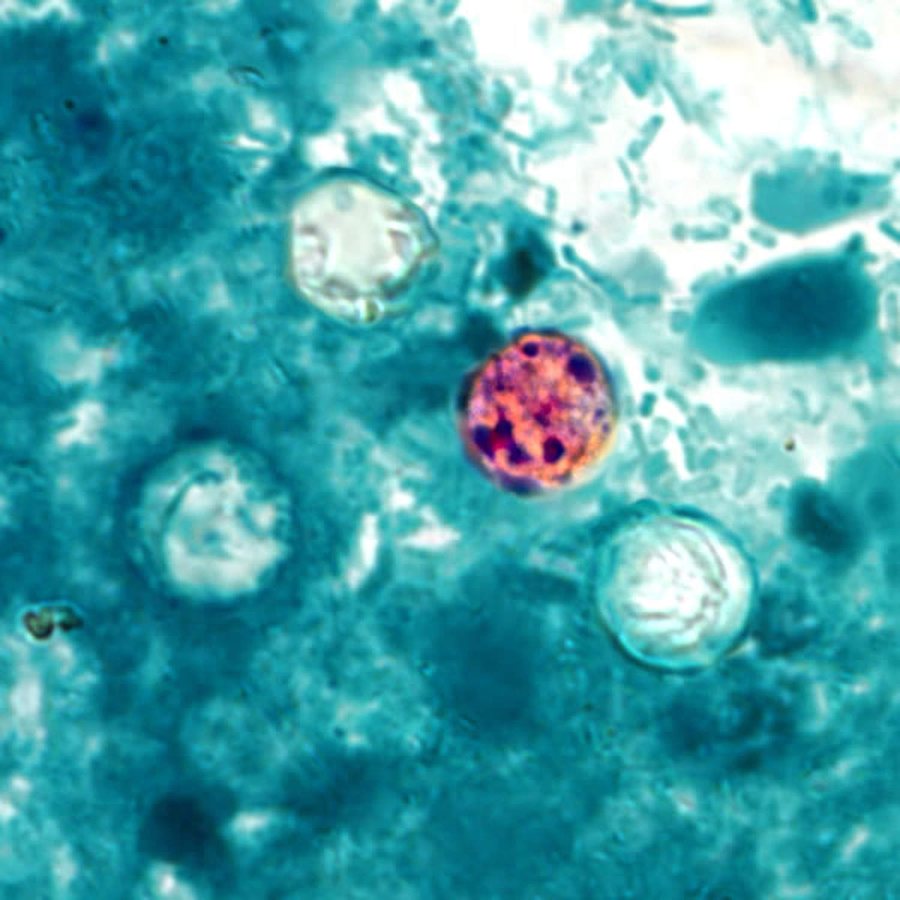
Michigan health officials have identified lettuce or salad greens as a likely source of a recent outbreak of cyclosporiasis, a diarrheal illness caused by the parasite Cyclospora cayetanensis. The announcement, made by the Michigan Department of Health and Human Services, has prompted warnings for residents to thoroughly wash produce and seek medical attention if symptoms develop. The outbreak has raised concerns about food safety and the need for vigilant handling of fresh greens, which are commonly consumed raw.
Cyclosporiasis is an intestinal infection that typically causes watery diarrhea, along with symptoms such as loss of appetite, weight loss, stomach cramps, bloating, increased gas, nausea, and fatigue. The illness can last from a few days to several weeks if untreated, and it may relapse in some cases. Health officials noted that the parasite is not spread through person-to-person contact but is contracted by ingesting food or water contaminated with microscopic oocysts, the infectious form of the organism. The outbreak has been traced to multiple cases across Michigan, with laboratory tests confirming the presence of Cyclospora in stool samples from affected individuals.
The investigation into the outbreak began after a cluster of cyclosporiasis cases was reported in several counties. Epidemiologists from the Michigan Department of Health and Human Services, in collaboration with local health departments, conducted interviews with patients to identify common food exposures. Their analysis pointed to lettuce or salad greens as a potential source, though the specific brand, supplier, or distribution chain has not yet been determined. Officials emphasized that the investigation is ongoing and that additional cases may be identified as surveillance continues.
Cyclospora outbreaks are not uncommon in the United States, often linked to imported fresh produce such as cilantro, raspberries, basil, and salad mixes. The parasite is endemic in tropical and subtropical regions, and contamination can occur during growing, harvesting, or processing. In recent years, the U.S. Food and Drug Administration has issued multiple alerts regarding Cyclospora in imported produce, particularly from countries like Mexico, Guatemala, and Peru. The current Michigan outbreak underscores the challenges of ensuring food safety in a globalized supply chain, where fresh greens are often sourced from multiple regions.
Health officials are advising consumers to take preventive measures to reduce the risk of infection. These include thoroughly washing all fruits and vegetables under running water, especially those that are eaten raw. Cooking produce to an internal temperature of at least 145 degrees Fahrenheit can kill the parasite, but for greens typically consumed raw, washing is the primary defense. Officials also recommend that individuals with compromised immune systems, pregnant women, and young children consider avoiding raw lettuce or salad greens until the source of the outbreak is identified. Anyone experiencing symptoms of cyclosporiasis, particularly prolonged diarrhea, should consult a healthcare provider for diagnosis and treatment.
Treatment for cyclosporiasis typically involves a course of antibiotics, such as trimethoprim-sulfamethoxazole, which is effective against the parasite. Without treatment, symptoms may persist for weeks, leading to dehydration and weight loss. Health care providers in Michigan have been alerted to the outbreak and are advised to consider cyclosporiasis in patients presenting with diarrheal illness, especially those with a history of consuming raw produce. Laboratory testing, including microscopic examination of stool samples, is necessary to confirm the diagnosis.
The outbreak has drawn attention to broader food safety practices. The Centers for Disease Control and Prevention estimates that Cyclospora causes approximately 11,000 infections annually in the United States, though many cases go unreported due to mild symptoms or misdiagnosis. The parasite has a incubation period of about one week, meaning that individuals may not associate their illness with food consumed days earlier. This delay complicates outbreak investigations, as patients may struggle to recall specific foods eaten before becoming ill.
Michigan residents are encouraged to stay informed through updates from state and local health departments. The Michigan Department of Health and Human Services has set up a dedicated webpage with information on cyclosporiasis, including symptoms, prevention tips, and guidance for healthcare providers. As the investigation continues, officials are working to trace the contaminated produce back to its source to prevent further illnesses and to inform regulatory actions.
This incident serves as a reminder of the importance of food safety at every stage, from farm to table. Consumers can protect themselves by practicing good hygiene, such as washing hands before handling food, and by staying aware of recalls and outbreak alerts. For now, the focus remains on identifying the specific products involved and ensuring that the public has the information needed to reduce their risk of infection.