News 4 min read By Mason Emerson
ICE Agents Involved in Fatal Houston Shooting Were Not Wearing Body Cameras
U.S. Immigration and Customs Enforcement agents who fatally shot an illegal immigrant in Houston were not wearing body cameras, according to sources familiar with the investigation. The incident has sparked calls for independent probes and release of video evidence.
The U.S. Immigration and Customs Enforcement (ICE) agents involved in this week's fatal shooting of an illegal immigrant in Houston were not wearing body cameras, multiple sources familiar with the investigation have confirmed. The absence of body-worn cameras has intensified scrutiny of the incident, which occurred Tuesday when Lorenzo Salgado Araujo, a Mexican citizen who authorities said was in the country illegally, was shot and killed after allegedly trying to ram an ICE officer with his vehicle.
The Department of Homeland Security's Office of Inspector General is leading an investigation into the shooting, while prosecutors in Houston are conducting a separate parallel probe. ICE has stated that Araujo «rammed an ICE law enforcement vehicle, refused to follow multiple verbal commands and weaponized his vehicle in an attempt to run over an ICE law enforcement officer, resulting in our officer firing his weapon in self-defense.» Araujo was struck and taken to a hospital, where he later died.
The lack of body camera footage has become a central point of contention. Little video of the encounter has emerged publicly since the shooting, and Araujo's family has disputed ICE's account, calling on the agency to release any available video evidence. The Department of Homeland Security, when asked whether the officers were wearing body cameras, directed inquiries to ICE's previous statement, which did not address the issue.
Multiple Democratic lawmakers have called for an independent investigation into the incident. House Minority Leader Hakeem Jeffries wrote on X, «Every single ICE agent involved in the fatal shooting of Lorenzo Salgado Araujo must be investigated to the full extent of the law. Video footage of the killing must be released immediately. The American people deserve the truth, the whole truth and nothing but the truth.» New York City Mayor Zohran Mamdani also called for «real accountability» following the shooting and reiterated his support for abolishing ICE.
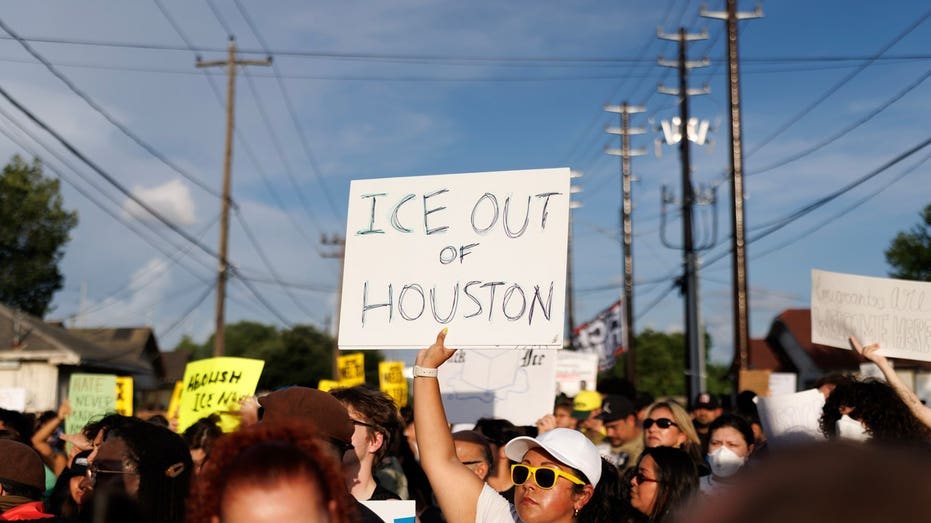
Mexican President Claudia Sheinbaum has vowed to pursue «legal measures» in response to the shooting, adding an international dimension to the case. The incident has also drawn attention from anti-ICE demonstrators, some of whom were detained while protesting the arrest of another illegal immigrant facing assault and drug charges, highlighting ongoing tensions around immigration enforcement.
ICE has described the incident as a developing situation and said it will update the public when more information is available. The agency has not provided further details about the officers involved or whether body cameras are standard equipment for its agents in the field. The shooting comes amid broader debates over immigration policy and law enforcement accountability, with advocates on both sides calling for transparency.
The investigation by the DHS Office of Inspector General is expected to examine the circumstances of the shooting, including whether the use of force was justified. The Houston prosecutor's office will also review the case for potential criminal charges. As the probes continue, the absence of body camera footage may complicate efforts to determine exactly what happened during the encounter.
Araujo's family has expressed grief and anger, questioning the official narrative and demanding that all evidence be made public. The case has become a flashpoint in the national conversation about immigration enforcement, with some critics arguing that the lack of body cameras undermines accountability, while supporters of ICE maintain that agents acted in self-defense under dangerous circumstances.