News 4 min read By Mason Emerson
House Votes Again to Limit Trump’s War Powers Over Iran Conflict
The U.S. House of Representatives passed a resolution to restrict President Trump’s military authority in Iran, marking the latest bipartisan rebuke of the administration’s handling of the conflict.
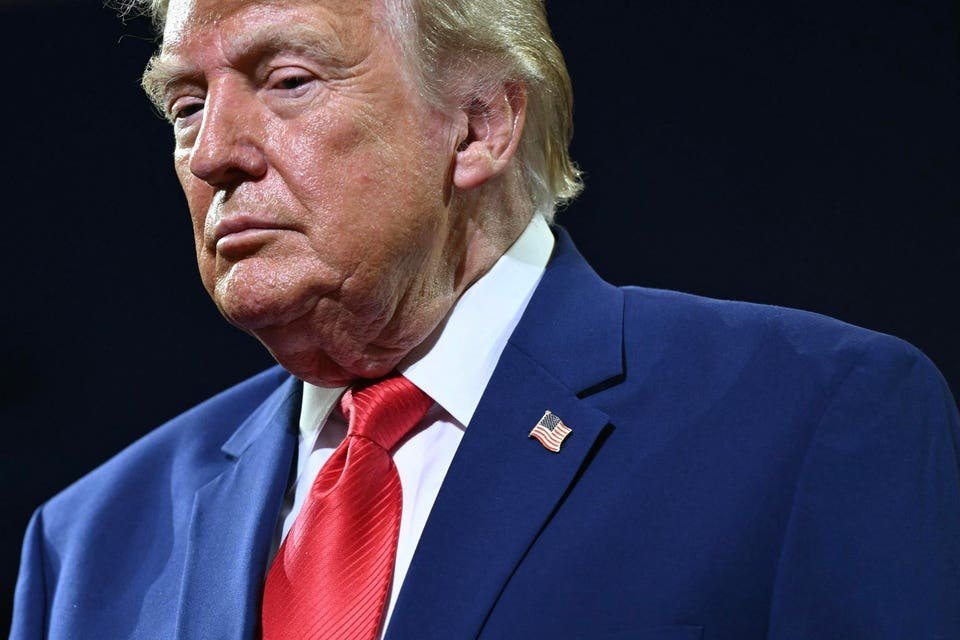
The U.S. House of Representatives voted on Wednesday to limit President Donald Trump’s war powers regarding Iran, delivering the latest congressional rebuke over the ongoing conflict. The resolution, which passed with bipartisan support, seeks to restrict the president’s ability to engage in military operations against Iran without explicit authorization from Congress.
The measure garnered votes from four Republicans who broke with their party to support the restriction, highlighting growing unease on Capitol Hill about the administration’s strategy in the region. The vote comes amid heightened tensions between Washington and Tehran, with the conflict now entering its second year and showing no signs of de-escalation.
This is not the first time the House has taken such action. Lawmakers previously passed a similar war powers resolution earlier in the conflict, but the latest effort reflects sustained frustration among members of both parties over what they see as an unchecked executive branch wielding military force without sufficient congressional oversight. The resolution asserts Congress’s constitutional authority to declare war and demands that the president seek approval before ordering further offensive operations against Iran.
Supporters of the measure argue that the administration has failed to articulate a clear strategy for ending the conflict or achieving lasting stability in the Middle East. They point to rising casualties, escalating regional tensions, and the lack of a defined exit plan as reasons for reining in presidential power. Critics, however, contend that the resolution undermines the commander-in-chief’s ability to respond swiftly to threats and could embolden Iran.
The White House has not issued an official response to the vote, but administration officials have previously argued that the president has the authority to defend U.S. interests and personnel without prior congressional approval. The debate over war powers has become a central flashpoint in the broader discussion about the scope of executive authority in foreign policy.
The resolution now moves to the Senate, where its fate remains uncertain. Similar efforts have stalled in the upper chamber in the past, but the growing bipartisan appetite for oversight may shift the dynamics. The vote also coincides with broader legislative battles over defense spending, including a $1.15 trillion defense bill that faces an uphill battle in the Senate.
The Iran conflict has exacted a heavy toll on U.S. service members and regional stability. Since the escalation, hundreds of American troops have been killed or wounded, and the humanitarian situation in parts of the Middle East has deteriorated. Critics of the administration’s approach argue that military action alone cannot resolve the underlying tensions and that diplomatic engagement remains essential.
The House vote underscores a deepening rift between Congress and the executive branch over the direction of U.S. foreign policy. Lawmakers from both parties have expressed concern that the conflict is expanding beyond its original scope, drawing in proxy forces and increasing the risk of a broader regional war. The resolution is seen as an attempt to reassert congressional authority and force a more deliberate debate about the objectives and limits of U.S. military involvement in Iran.
As the Senate prepares to take up the measure, the political stakes are high. The outcome could shape not only the trajectory of the Iran conflict but also the balance of power between the branches of government in matters of war and peace. For now, the House has sent a clear signal that it intends to hold the administration accountable for its actions in the region.