News 5 min read By Lauren Baxter
Aryna Sabalenka skips French Open press conference, citing safety concerns
World No. 2 Aryna Sabalenka did not attend her post-match press conference after a third-round win at the French Open, saying she did not feel safe following a previous press conference earlier in the tournament.
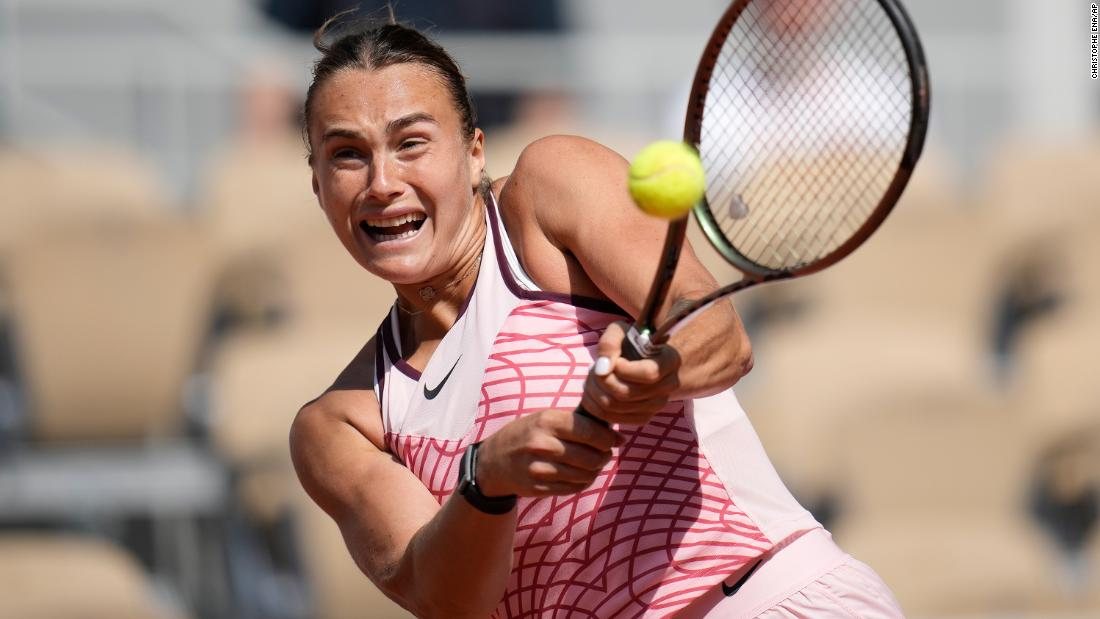
World No. 2 Aryna Sabalenka of Belarus did not participate in a customary post-match press conference after her third-round victory at the French Open on Friday, citing safety concerns. The 25-year-old tennis star said she did not feel safe when taking part in a press conference held earlier in the week, according to a statement from tournament officials.
Sabalenka, who defeated Kamilla Rakhimova 6-2, 6-2 to advance to the fourth round, opted out of the usual media obligations. The French Tennis Federation (FFT) confirmed that Sabalenka had requested to skip the press conference, and the tournament granted her request. In a brief statement, the FFT said it respected the player's decision and emphasized its commitment to ensuring the well-being of all participants.
The decision comes amid heightened scrutiny of Belarusian and Russian athletes at the French Open following Russia's invasion of Ukraine. Sabalenka, who is from Belarus, a key ally of Russia in the conflict, has faced repeated questions from journalists about her stance on the war. Earlier in the week, she was asked about the situation during a press conference, which she described as an uncomfortable experience.
Sabalenka did not provide specific details about what made her feel unsafe, but her decision highlights the ongoing tension between athletes from Russia and Belarus and the media at major sporting events. The French Open, like many other tournaments, has allowed Russian and Belarusian players to compete as neutral athletes without national flags or anthems, following sanctions imposed after the invasion.
The Belarusian star is one of the top contenders for the title at Roland Garros, having reached the semifinals in 2021 and won the Australian Open earlier this year. Her absence from the press conference has drawn attention to the broader issue of athlete mental health and the pressures of competing amid geopolitical turmoil.
Several other players from Russia and Belarus have also faced challenging questions from reporters about the war. Some have chosen to address the topic directly, while others have deflected or declined to comment. The situation has created an awkward dynamic at the tournament, with players navigating both their athletic ambitions and the political realities of their home countries.
The FFT has not indicated whether Sabalenka will face any penalties for skipping the press conference. Under Grand Slam rules, players are generally required to participate in media sessions after matches, but exceptions can be made in special circumstances. The tournament organizers have said they will review the matter internally.
Sabalenka's next match is scheduled against Sloane Stephens of the United States. It remains unclear whether she will participate in press conferences after future matches at the tournament. Her camp has not issued further statements beyond the initial explanation provided to the FFT.
The incident has sparked debate among tennis observers and fans about the balance between media obligations and player welfare. Some have expressed sympathy for Sabalenka, arguing that the relentless questioning about the war has placed an unfair burden on athletes who are not directly involved in the conflict. Others have maintained that journalists have a right to ask about issues of public interest, especially given the high profile of the players involved.
As the French Open continues, the focus remains on the on-court action, but the off-court drama involving Sabalenka and other players from Russia and Belarus is likely to persist. The tournament has already seen several moments of tension, including a Ukrainian player refusing to shake hands with a Belarusian opponent. The situation underscores the complex intersection of sports and politics in the current global climate.