
News 3 min read By Trevor Kendall
Aerodiana Tourist Plane Crash in Peru Kills All 13 Aboard Near Nazca Lines
All 13 people aboard an Aerodiana tourist plane were killed when it crashed near Nazca, Peru, during a sightseeing flight over the Nazca Lines. The airline offered condolences to the victims’ families as officials worked to determine the cause.
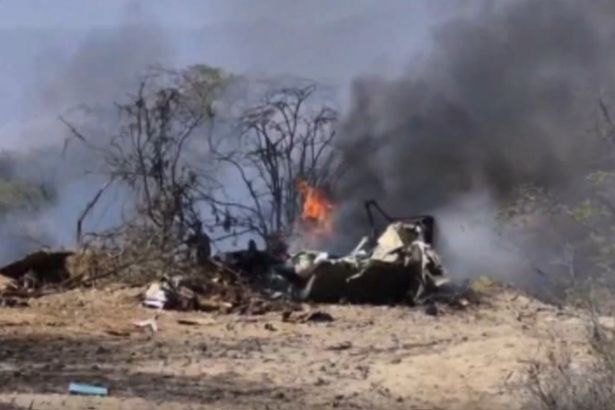
All 13 people on board a tourist plane operated by Aerodiana were killed when the aircraft crashed just outside Nazca, Peru, during a sightseeing flight over the Nazca Lines. The airline confirmed the death toll and offered condolences to the victims’ families.
The plane came down while carrying passengers on a flight to view the ancient drawings that stretch across the desert plain near Nazca. The Nazca Lines, enormous geoglyphs depicting animals, plants and geometric shapes, are one of Peru’s most visited attractions and draw travelers from around the world.
Eleven of the 13 people on board were European tourists, according to reports from the area. The other two people on the flight were not identified in the airline’s statement, and no survivors were found.
Aerodiana, the carrier that operated the flight, issued a statement after the accident in what was its first public response following the crash. The airline said it was grieving and extended heartfelt condolences to the families and friends of those who died. It did not offer any indication of what might have caused the accident.
The aircraft went down just outside Nazca, the town that serves as the main base for tourist flights in the region. The ancient lines, believed to have been created many centuries ago, are so large that many are best seen from the air. That is why small sightseeing planes have become a regular feature of the visitor experience around Nazca.
The area around Nazca draws travelers from across the world, and visits to the lines are often combined with other stops in southern Peru. For many visitors, the flight over the desert is one of the highlights of a trip to the country.
The Nazca Lines are among the most famous archaeological sites in South America. The enormous drawings include straight lines, geometric shapes and stylized figures of animals and plants, some of which stretch for hundreds of meters across the desert. They have drawn researchers and tourists for decades and remain a source of national pride for Peru.
Peruvian authorities had not provided an official explanation for the crash, and the circumstances of the accident remained unclear. The sudden loss of the flight drew attention to the small-aircraft sightseeing trips that operate in the area, which carry thousands of visitors over the Nazca Lines each year.
The airline’s statement offered sympathy but left unanswered the central question of why the plane went down. The crash happened in a part of Peru known more for tourism than for disaster, and the coming days are likely to bring more information about the flight, the victims and the events that led to the tragedy.