Culture 3 min read By Trevor Kendall
Wynonna Judd Says Politics Don't Belong at Her Concerts
Country singer Wynonna Judd said she keeps her personal political views off the stage, telling Tomi Lahren that fans pay to hear music, not political messaging.
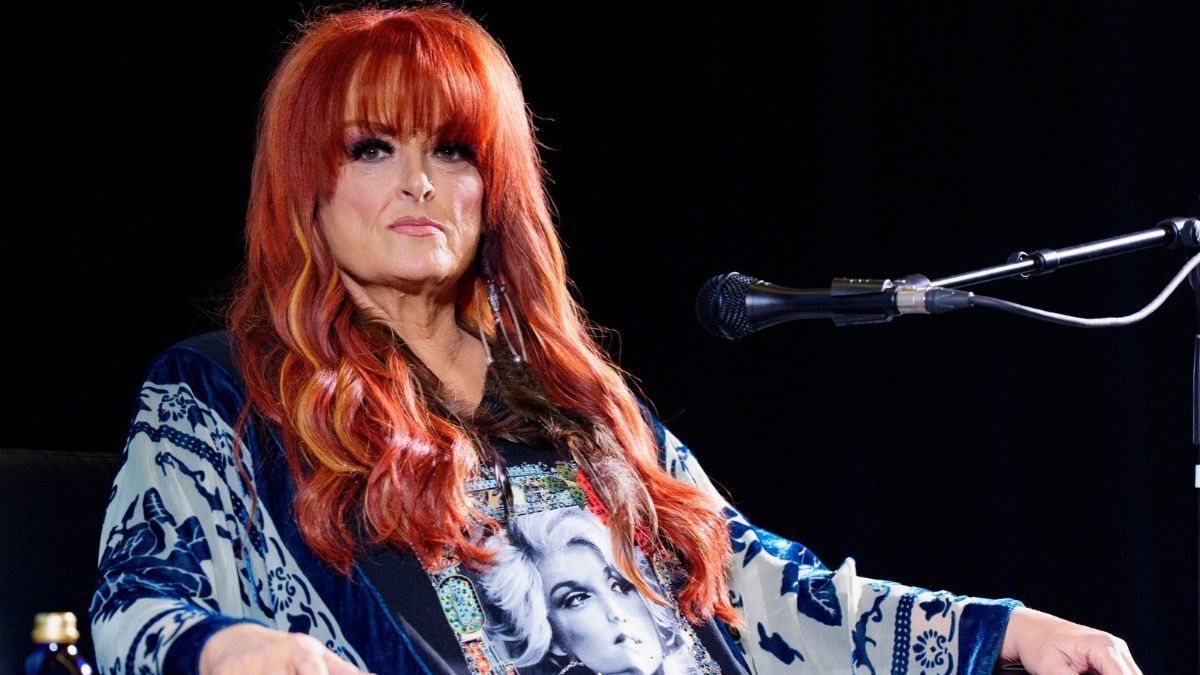
Wynonna Judd says she has no intention of turning her concerts into political rallies. The country singer, appearing on « Tomi Lahren Is Fearless, » explained that while she holds her own political opinions, she views the stage as a place to entertain people who have paid to hear her music.
Judd's comments place her among the artists who draw a line between their private beliefs and their public performances. She did not suggest that performers should be apolitical in every setting, only that a ticketed concert carries a different obligation — one owed to an audience that arrives for the songs rather than for a candidate or a cause.
The remark lands in a moment when live music has become one of the more contested spaces in American public life. Tours routinely double as platforms for voter registration drives, benefit shows and onstage statements, and audiences have grown attentive to what artists say between songs. Judd's position is notable less for novelty than for its clarity: the show, in her view, belongs to the people in the room.
That framing also reflects the economics and etiquette of country touring, where performers often play to crowds that span the political spectrum. A concert is a shared evening among strangers who may disagree about almost everything else, and Judd's approach treats that agreement — the music — as the point of the gathering rather than a prelude to something else.
Her stance does not amount to a claim of neutrality on the issues of the day. Judd acknowledged having her own views; she simply declined to make the stage the venue for them. The distinction matters in a media environment that tends to treat any refusal to editorialize as itself a political statement, and it leaves room for artists who choose differently without implying that either approach is dishonest.
For fans, the practical effect is straightforward. A Wynonna Judd show remains a Wynonna Judd show, built around a catalog that stretches back to her years with The Judds and her long solo career. The singer's comments suggest that is the experience she intends to protect, and that she sees the audience's investment in a ticket as a reason to keep the evening focused on performance.
The interview adds another entry to the running conversation about celebrity, politics and the boundaries of entertainment. Judd's answer was brief and unhedged, and it is likely to be received differently depending on where listeners stand — as a welcome restraint by some, as a missed opportunity by others. What it does not do is leave much ambiguity about where she draws the line.
8