
Culture 5 min read By Lauren Baxter
USC football's Homeric blunder: Trojans promote season with epic that ends their own destruction
USC football has again used Greek literature to build hype, this time with Christopher Nolan's 'The Odyssey,' but the epic recounts the Trojan defeat, not victory, sparking criticism of the athletic department's historical awareness.
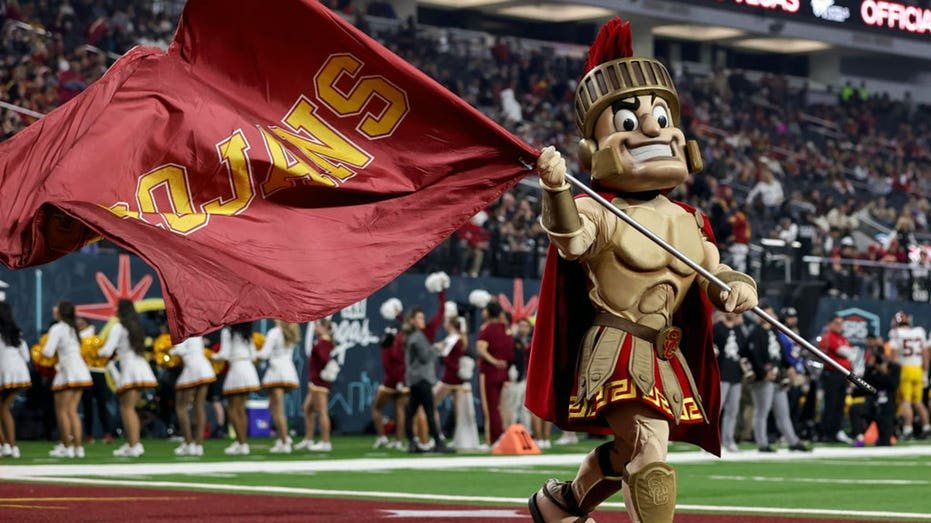
The University of Southern California football program has once again turned to ancient Greek literature to generate excitement for the upcoming season, but critics say the choice of source material reveals a fundamental misunderstanding of the story being told. For the second time in less than two years, the USC Trojans have aligned their brand with a famous Greek epic that culminates in the destruction of Troy — the very city their mascot represents.
The latest promotional effort came in response to the widespread buzz surrounding Christopher Nolan's upcoming film adaptation of Homer's «The Odyssey.» USC football posted a stylized movie poster on social media, featuring the team's iconic Trojan helmet and the caption, «Our Odyssey begins August 29.» While the imagery is dramatic and timely, the problem lies in the plot: «The Odyssey» follows the Greek hero Odysseus on his ten-year journey home after the Trojan War. The Trojans themselves are not the heroes of the story. By the time the epic begins, their city has been sacked, their warriors are dead, and the surviving Greeks are returning home after a long and brutal campaign.
This is not the first time USC has made such a misstep. Before the 2024 season, the program released a hype video showing players bursting out of a Trojan Horse — a wooden structure that, in the original myth, was a Greek ruse used to infiltrate and destroy Troy. In that story, the Trojans were the ones who foolishly brought the horse inside their city walls, only to be slaughtered when Greek soldiers emerged at night. The video was widely mocked at the time for celebrating a symbol of the Trojans' own downfall.
Now, with the new «Odyssey» promotion, USC has repeated the pattern. The program has aligned itself with a story that details the aftermath of Troy's destruction, using the same mythological framework that previously led to embarrassment. The irony is compounded by the fact that USC's 2026 season opener is against San Jose State, whose mascot is the Spartans — another Greek warrior culture. The Trojans are thus promoting a season that begins with a battle against an army from ancient Greece, using a story about the Greeks defeating Troy.
The situation has drawn attention from commentators and classicists alike, who note that the athletic department appears to have access to graphic designers and social media managers but not to anyone familiar with the basic plot of Homer's epics. The university, located in Los Angeles, is home to a well-regarded classics department, and critics have suggested that a quick consultation with a faculty member or even a simple internet search could prevent future blunders.
USC's mascot, the Trojan, is derived from the legendary inhabitants of Troy, a city in ancient Anatolia that was besieged and destroyed by Greek forces in the Trojan War, as recounted in Homer's «Iliad» and «Odyssey.» The choice of mascot has long been a source of pride for the university, but it also carries the burden of a tragic history. The Trojans are remembered not as victors but as the defenders of a city that fell to deception and military defeat.
Despite the recurring theme of self-inflicted mythological irony, USC football continues to generate significant attention and revenue. The program is a major force in college athletics, and its branding decisions are closely watched by fans and media. The latest episode, however, has sparked a broader conversation about the importance of understanding the stories we use to promote ourselves, especially when those stories are thousands of years old and well-known to millions.
For now, the Trojans will move forward with their season, hoping that their performance on the field will overshadow the awkwardness of their promotional choices. But as they prepare to face the Spartans on August 29, they might want to leave any wooden horses in the parking lot.