Culture 4 min read By Mason Emerson
Tony Gilroy Says Paramount-Warner Bros. Merger Will 'Destroy' a 'Healthy and Beautiful Business' in 'The Name of Venture Capital': 'It's Tragic'
At the New York Film Festival premiere of his $36 million drama 'Behemoth!', director Tony Gilroy warned that the Paramount-Warner Bros. merger will destroy the mid-budget film business that once sustained Hollywood, calling the consolidation 'tragic.'
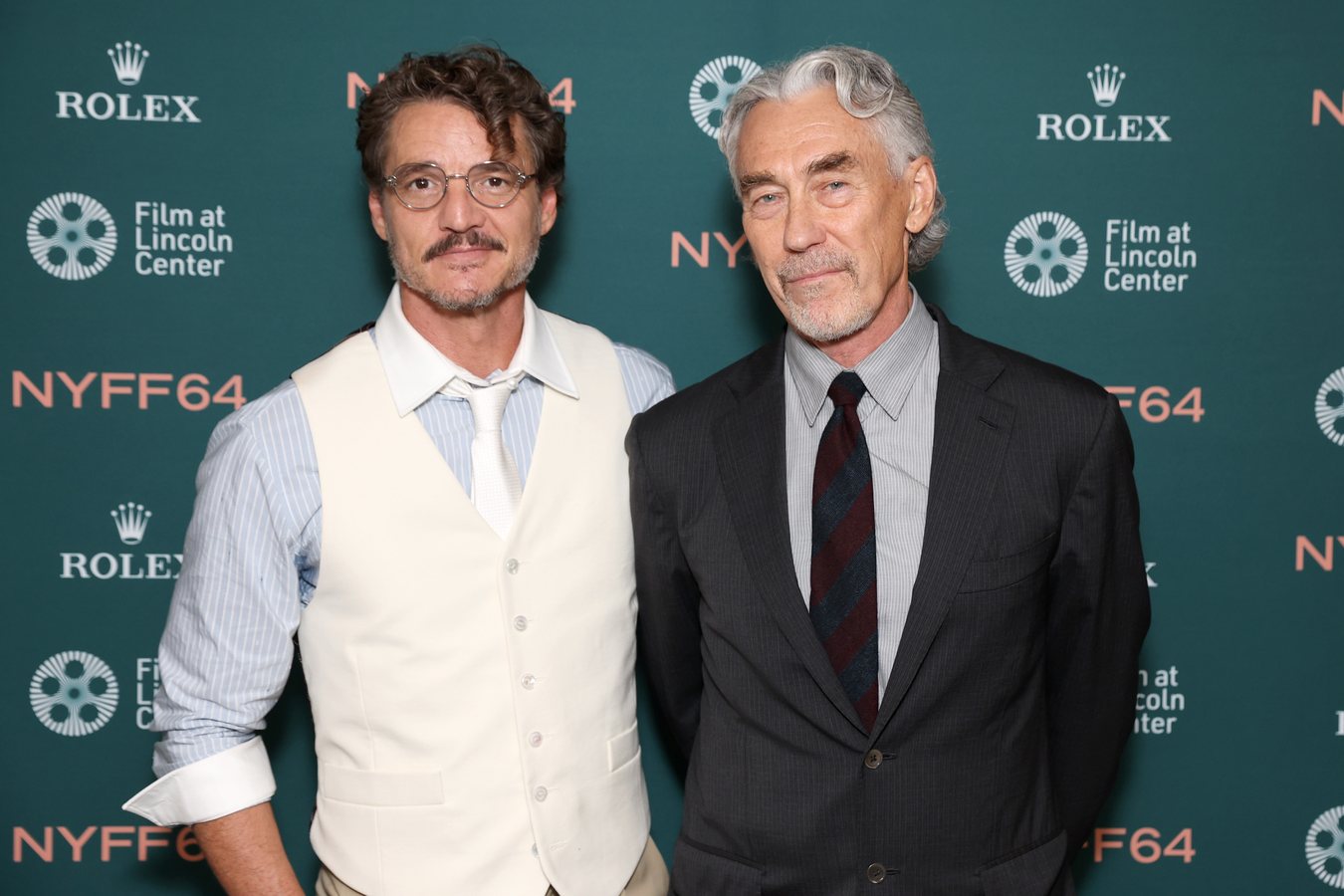
Tony Gilroy used the world premiere of his new film, «Behemoth!», to deliver a blunt warning about the Paramount-Warner Bros. merger, calling the consolidation «tragic» and saying it will «destroy» what he described as a «healthy and beautiful business» operating in «the name of venture capital.»
Speaking at the New York Film Festival, where «Behemoth!» screened for the first time, the director and screenwriter framed the deal as an existential threat to the mid-budget, adult-oriented drama that once formed the backbone of Hollywood's theatrical output. That is precisely the kind of film «Behemoth!» is: a $36 million production that Gilroy said represents the sort of project that allowed filmmakers like him to build careers in the industry.
Gilroy's comments arrived as the Paramount-Warner Bros. merger moved through its final stages, a combination that reshapes the ownership of major studio assets and the distribution pipelines that independent and mid-tier films rely on. The director did not address the deal's regulatory mechanics or its corporate structure. His objection was cultural and economic: a business model that once supported a broad range of films, and the filmmakers who made them, is being narrowed by consolidation.
«Behemoth!» itself stands as an argument for the model Gilroy is defending. The film pairs him with Pedro Pascal, who attended the premiere and praised Gilroy during a post-screening Q&A. Pascal said he had expected the director to be «kinda mean» before they worked together, but found the experience «so intimate and healing» instead. He described the film as a «complex Jason Bourne-like puzzle,» a reference to Gilroy's earlier work on the Bourne franchise.
Early reviews have framed «Behemoth!» as a career-best showcase for Pascal, with critics calling it his most complex role to date. The film's reception at NYFF positions it as a prestige title in the fall festival circuit, the kind of adult drama that studios once released widely and that now depends on a shrinking number of buyers.
The merger's cultural implications extend beyond a single director's complaint. As Paramount absorbs Warner Bros., the combined company controls a larger share of film and television production and distribution, reducing the number of independent buyers for finished films. For mid-budget projects, that means fewer theatrical slots and more pressure to justify budgets through franchise potential or streaming placement.
Gilroy's remarks also reflect a broader anxiety in the creative community about consolidation. The Paramount-Warner Bros. deal is one of several recent mergers that have concentrated media ownership, and each round has prompted similar concerns from filmmakers, writers, and actors about reduced competition and risk-averse programming.
Bill Maher, whose HBO show now falls under the newly merged company, addressed the change on «Real Time,» telling the new Skydance bosses not to believe what President Trump is tweeting about him. His comments underscored how the merger is already reshaping relationships between talent and the corporate entities that own their work.
For Gilroy, the stakes are personal and professional. «Behemoth!» was made at a budget that would once have been routine for a studio drama aimed at adults. If that tier of filmmaking disappears, the pipeline that produced directors like him narrows with it. His warning at NYFF was less a prediction than a description of what he believes is already underway.
The film opens amid that uncertainty, carrying the ambitions of a business model its director says is being dismantled. Whether audiences and studios respond will determine how many more films like it get made.
18