Culture 4 min read By Trevor Kendall
The Internet Told You to ‘Touch Grass.’ Now It’s a Horror Movie
Touch Grass turns a familiar online insult into a nightmare about AI personalities, digital doubles and a hidden world underneath the web.
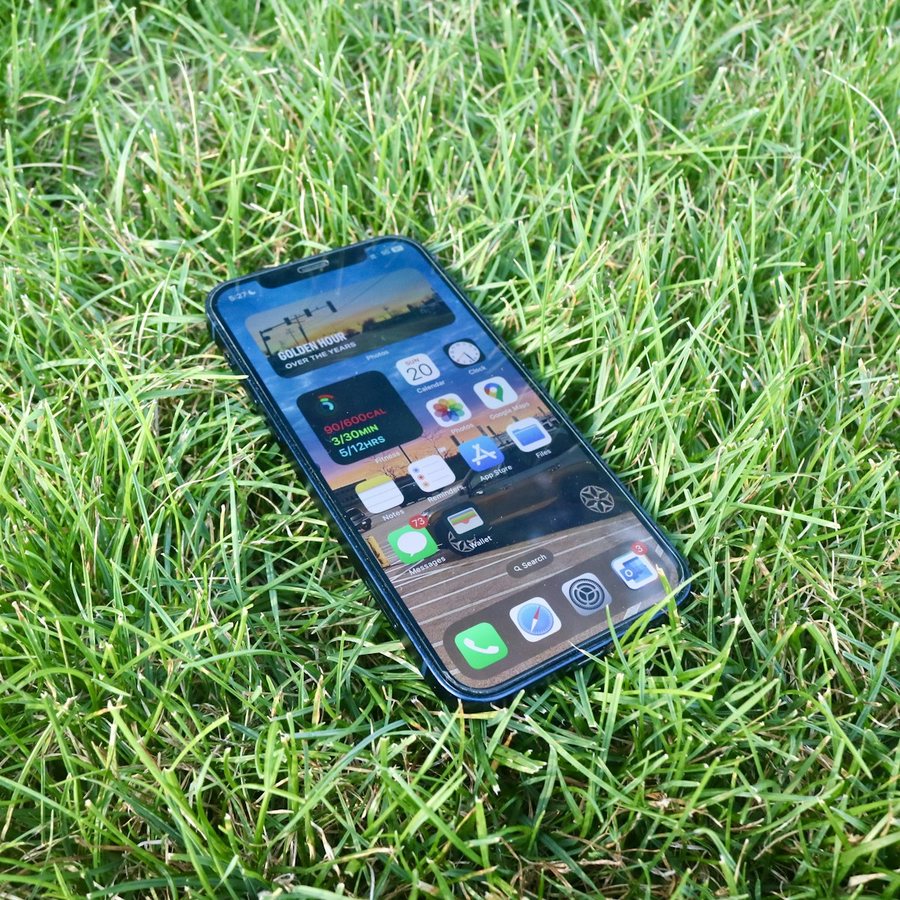
For years, “touch grass” has been the internet’s favorite emergency exit: a two-word way to tell someone they have spent too long arguing, scrolling or living inside a fandom. Now the phrase is the title of a psychological horror project where going offline may be the least useful thing you can do.
Touch Grass is being described as a new project from a producer of Backrooms. The announcement does not identify which member of that film’s large producing team is involved. Backrooms, directed by Kane Parsons and released in U.S. theaters on May 29, 2026, had producers including James Wan, Shawn Levy, Dan Cohen, Dan Levine, Chris Ferguson, Osgood Perkins and others. That movie took one of the web’s best-known liminal-space myths and gave it a theatrical body.
Touch Grass aims at a newer kind of internet unease. The story follows a woman working for a mysterious corporation that manufactures AI personalities. She discovers something beneath the ordinary internet called The Feed. It is populated by bots, fake personas and digital traces of actual people — and those fragments are becoming copies.
The copies are the fun, nasty part of the premise. They are supposedly formed from a person’s deepest desires, which means they are not merely deepfakes with a better memory. Imagine a digital double designed around what you want from a friend, partner, rival or version of yourself. The monster does not have to break the door down if it already knows exactly what will make you open it.
The movie is pitched as a reinvention of the dead internet theory. That idea began as a conspiracy theory claiming that much of online life had already been replaced by bots, automation and artificial content. It is not a reliable account of how the web actually works, but as internet folklore it has aged almost too well. Every wave of synthetic posts, fake accounts and AI-generated images gives the old paranoia fresh visual material.
And that is what makes this feel like a 2026 horror concept rather than a recycled “evil computer” story. AI services can already generate images from text, clone vocal characteristics and keep conversational characters anchored to remembered context. The technology does not need to secretly control the whole internet to make users wonder who created the thing they are looking at.
Then there is the title. Merriam-Webster now defines “touch grass” as doing normal things in the real world rather than living through online interactions, with its first known use in that sense dated to 2016. A piece of internet mockery has officially survived long enough to become dictionary language — and now horror branding.
Touch Grass uses that history for a clean reversal. The phrase assumes there is a clear line between the feed and reality. The Feed, with a capital F, is built to erase it. If a system can construct a person out of their traces and desires, a walk outside cannot guarantee that the digital version stays behind. There is no director, cast or release date in the currently available description, but the hook is already strong enough to make the old insult sound ominous: maybe the grass is real, but who exactly is touching it?
57