Culture 3 min read By Trevor Kendall
Star Trek phasers come with several settings, each with a different intensity
Phasers in the Star Trek franchise are shown with multiple settings that change how intense the weapon's effect is, and a look at what each one means.
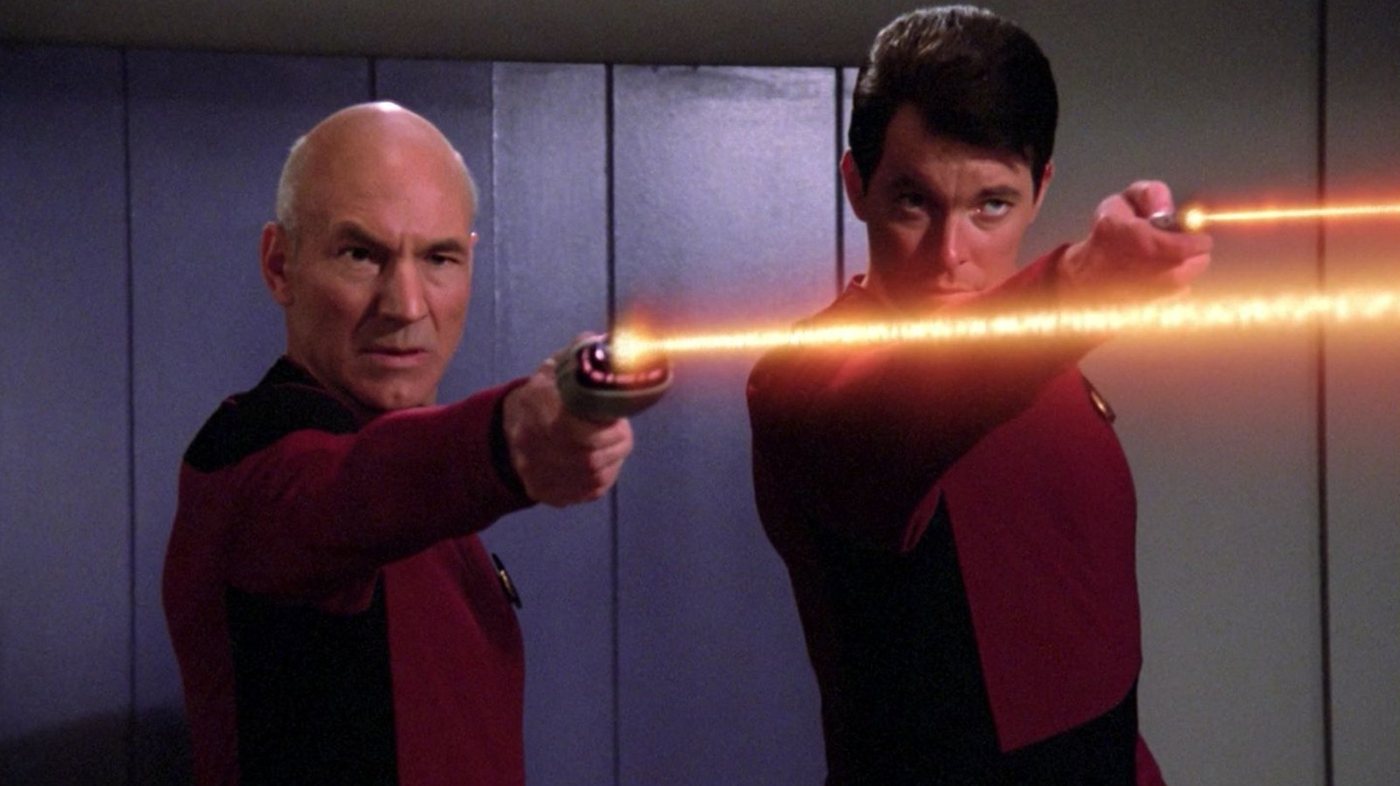
The phaser is one of the most recognizable weapons in the Star Trek franchise, and it rarely appears as a single, fixed tool. On screen, characters adjust their phasers between several settings, with each one producing a different level of intensity. The franchise has used that range of settings across its many series and films, giving crews a way to match the weapon to the threat in front of them.
The core idea is simple: the same weapon can be dialed up or down depending on the situation. A lower setting is generally associated with stunning or incapacitating a target without causing lasting harm, while higher settings are used when a more forceful response is needed. That spread between intensity levels is what makes the phaser flexible as a piece of equipment, rather than a single blast that is either on or off.
SlashFilm's breakdown of the phaser settings is built around explaining what each of those levels means in practice. The publication frames the piece as a guide to the weapon's various modes and how they differ from one another, promising a closer look at what each setting does. The source material available for this report is limited to that introduction, which means the specific settings, their exact effects, and the episodes or films in which they appear are not detailed here. Readers who want the full setting-by-setting explanation will find it in the original SlashFilm article.
Because the notes supplied for this report do not include exact figures, named episodes, or quotations from the franchise's creators or performers, this article does not attempt to specify intensity values or attribute statements to anyone. What can be stated with confidence is the framing the publication itself provides: phasers are presented with multiple settings, those settings differ in intensity, and the explainer is devoted to breaking down what each level means for the weapon's use on screen.
The question of how phasers work has long interested fans, in part because the franchise has presented the weapon with a consistent logic over the decades even as its appearance and design have changed across series. Keeping track of the settings helps explain why characters choose one over another in a crisis, and why a phaser can serve both as a tool for subduing an opponent and as a weapon of last resort. That versatility is a large part of why the device has remained a fixture of the franchise's visual and narrative language.
For readers who follow the franchise closely, the settings offer a way to read individual scenes more precisely, noticing when a character shifts the weapon to a lower or higher level and what that choice signals about the stakes. The SlashFilm piece is positioned to help with exactly that kind of close reading, sorting out the differences between modes so that a viewer can recognize them on screen without guessing.
Source: slashfilm.com
5