
Culture 4 min read By Trevor Kendall
Simpsons Showrunner Matt Selman Calls Himself a Coward Next to South Park's Matt and Trey
Matt Selman, showrunner of The Simpsons, praised South Park's political humor in a new interview, saying he is not as brave as Matt Stone and Trey Parker and explaining how The Simpsons' longer production schedule shapes its approach to satire.
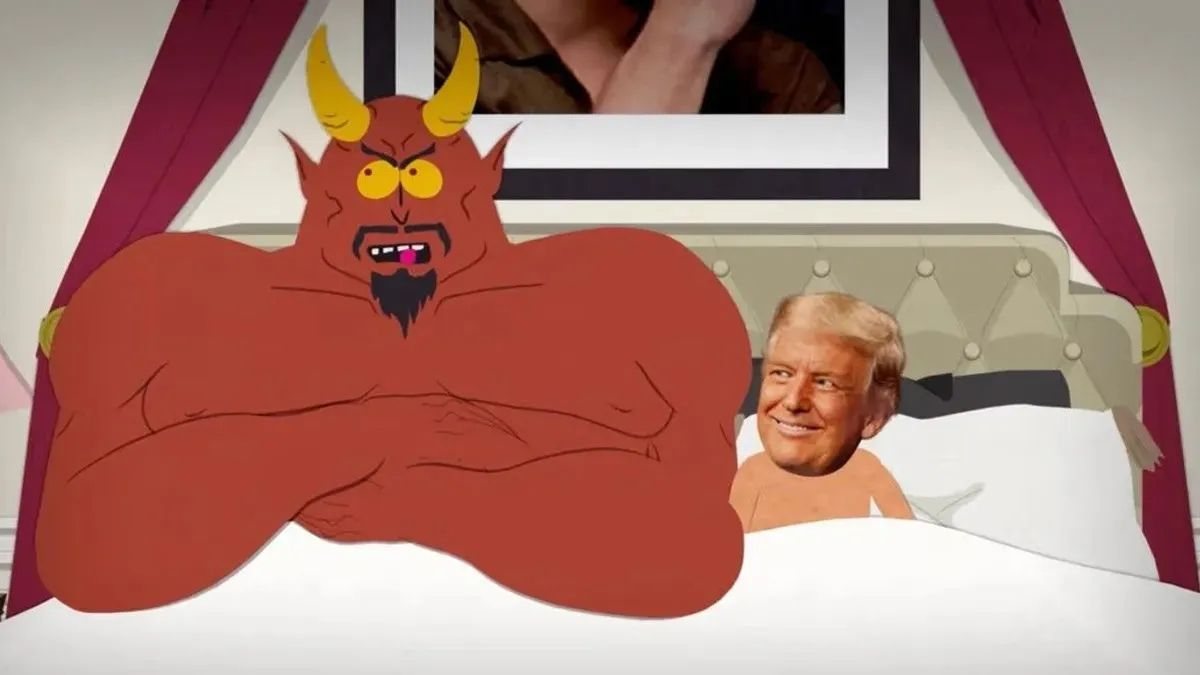
Matt Selman, the showrunner of The Simpsons, has praised South Park for its aggressive political satire, admitting that he is not as brave as that show's creators, Matt Stone and Trey Parker. In a new interview with Entertainment Weekly, Selman clarified earlier comments he had made about The Simpsons avoiding direct political statements, and he described himself as a coward by comparison.
Selman explained that the difference between the two long-running animated series comes down to production timelines. South Park is famous for turning around episodes in about a week, which allows it to respond to current events while they are still fresh. The Simpsons, by contrast, takes far longer to produce each episode, so its writers tend to focus on broader themes rather than the political story of the moment. That structural gap, Selman suggested, is a major reason why the two shows handle politics so differently.
The comments add a new chapter to a long-running conversation about how animated sitcoms engage with politics. South Park has built a reputation for skewering both sides of the political spectrum, often within days of a news cycle. The Simpsons, now decades into its run, has occasionally drawn criticism for being less pointed, though it has also produced episodes that comment on elections, presidents, and social issues. Selman's remarks frame the distinction not as a matter of courage alone but as a consequence of how each show is made.
Selman's self-deprecating tone is notable because he is the current steward of one of the most influential shows in television history. The Simpsons has been on the air since 1989 and has shaped the language of animated satire for a generation. South Park debuted in 1997 and has remained a cultural force by staying fast and confrontational. Both shows are now among the longest-running scripted series in American television, and both have become reference points for how comedy can address public life.
The interview also touches on the broader question of what satire can accomplish when the news moves faster than production schedules allow. Selman's admission that he is not as brave as Stone and Parker does not mean The Simpsons avoids politics entirely. Rather, it reflects a practical reality: by the time an episode is written, animated, and aired, the specific political moment it might have targeted has often passed. That constraint pushes the show toward more durable themes about family, community, and American life.
For fans of both series, the exchange is a reminder that the two shows occupy different lanes even as they are often compared. South Park's weekly model lets it act as a running commentary on the headlines. The Simpsons' longer lead time lets it build stories that are less tied to any single news cycle. Selman's praise for Stone and Parker acknowledges that difference without dismissing his own show's approach.
The remarks are likely to fuel ongoing debate among television critics and comedy fans about which method serves satire better. Some argue that speed is essential for political comedy to land, while others contend that timeless themes have a longer shelf life. Selman's comments suggest he sees value in both, even if he is willing to concede that South Park's creators take bigger risks in the moment.
Neither Selman nor representatives for South Park have announced any new collaboration or crossover. The interview stands as a rare public reflection from a showrunner about the limits and trade-offs of political comedy at a time when animated series remain a central part of the entertainment landscape.
15