Culture 4 min read By Mason Emerson
Oscar-Winning Directors Bring Gaza Surveillance Documentary 'NAZA' to Venice
Yuval Abraham and Rachel Szor, co-directors of the Oscar-winning 'No Other Land,' premiere 'NAZA' at the Venice Film Festival, a documentary built on secret interviews with 24 Israeli soldiers and intelligence officers about the military's targeting systems in Gaza.
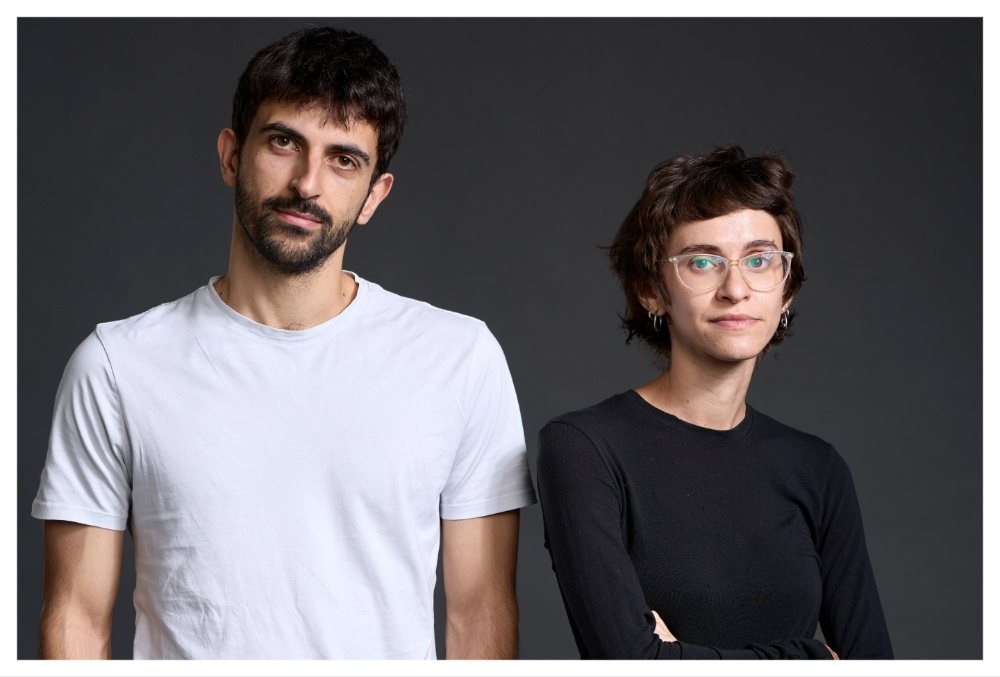
Israeli filmmakers Yuval Abraham and Rachel Szor, two of the four co-directors behind the Oscar-winning documentary «No Other Land,» have unveiled their latest project at the Venice Film Festival. Titled «NAZA,» the film arrives as a late addition to the festival's competition slate and examines the systems Israel's military uses to select targets in Gaza, drawing on interviews with 24 Israeli intelligence officers and soldiers conducted under conditions of total secrecy.
According to the directors, the documentary details how artificial intelligence, phone surveillance, and a crude points-based system were deployed to decide targets described as Hamas-related or otherwise. Shot at night on the rooftops of Tel Aviv, the film aims to show in detail the mechanisms behind what the filmmakers characterize as Israel's calculated mass killing. The interviews at the center of the project were gathered covertly, with the participants speaking at significant personal risk.
Abraham and Szor are no strangers to politically charged nonfiction. «No Other Land,» which they made with two Palestinian filmmakers, won the Academy Award for Best Documentary Feature in 2025 and became one of the most discussed films of its year. That project focused on displacement in the West Bank and drew international attention both for its subject matter and for the collaboration at its core. «NAZA» extends the pair's focus to Gaza and to the technological infrastructure behind military operations there.
Speaking at Venice, the co-directors said there remains widespread denial about what is happening in Gaza. The comment reflects the film's central argument: that the targeting apparatus described by their interviewees has not been fully acknowledged or understood by the Israeli public or the international community. By placing former soldiers and intelligence personnel at the center of the narrative, the filmmakers appear to be testing whether testimony from inside the system can shift a debate that has largely been shaped by official statements and external reporting.
The film's premiere in Venice gives it an immediate platform in the international festival circuit, where documentaries with political subject matter often generate both critical attention and controversy. Early reviews have begun circulating, and the response is likely to shape how the film travels to other festivals and eventually to distributors. Venice has a long history of launching documentaries that go on to define a season's conversation, and «NAZA» arrives with the added weight of its directors' Oscar pedigree.
For Abraham and Szor, the project also raises questions about the role of Israeli filmmakers in documenting the country's military conduct. Both have been prominent voices in debates over how the conflict is represented on screen, and their willingness to build a film around anonymous testimony from soldiers places them in a contested space between journalism, activism, and cinema. The use of night rooftop filming in Tel Aviv adds a visual dimension that the directors say is integral to the film's argument, tying the vantage point of the city to the distant operations being described.
The documentary's title, «NAZA,» has not been publicly explained by the filmmakers in detail, but the film's focus on automated and points-based targeting systems suggests a reference to the technological vocabulary of modern warfare. As the festival continues, the film is expected to draw further commentary from critics, industry figures, and audiences, with the conversation around it likely to mirror the polarized reception that greeted «No Other Land.» Whether «NAZA» can achieve a similar awards trajectory will depend on how its testimony and evidence are received beyond the festival circuit.