Culture 4 min read By Mason Emerson
Netflix's Unabomber Thriller Wastes Strong Performances on Split Timeline
Netflix's new true-crime film Unabomber, starring Russell Crowe and Jacob Tremblay, draws praise for its acting but criticism for a fractured narrative structure that undermines its dramatic focus.
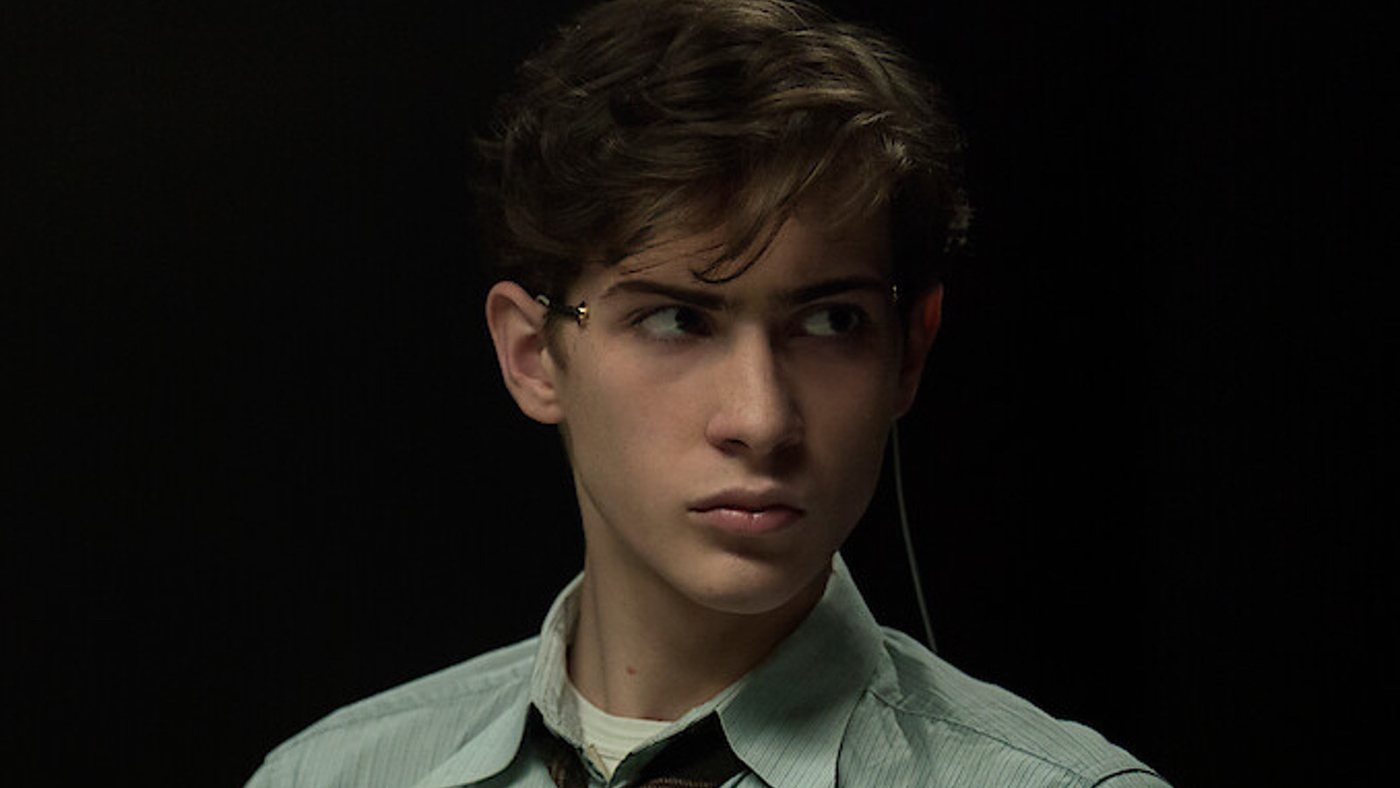
Netflix's latest true-crime thriller Unabomber arrives with a cast built for prestige: Russell Crowe, Jacob Tremblay, Annabelle Wallis, and Shailene Woodley. The film, inspired by real events, traces Ted Kaczynski's path from a 16-year-old Harvard prodigy to the notorious domestic terrorist known as the Unabomber. Yet according to early reviews, the movie's most significant flaw is not its performances but its structure.
Jacob Tremblay delivers an intense turn as the young Kaczynski, anchoring the film's earliest chapters with a portrayal that reviewers have singled out as its strongest asset. Russell Crowe, meanwhile, brings star power to the project, which has been positioned as a serious dramatic examination of how a gifted mathematician became one of America's most wanted men. The supporting cast, including Wallis and Woodley, adds further weight to a production that clearly aims for the kind of true-crime prestige that has become a Netflix staple.
The central criticism, however, concerns the film's decision to split its narrative across multiple timelines. Rather than following a single chronological thread, Unabomber jumps between periods of Kaczynski's life, a choice that reviewers argue dilutes the tension and prevents the story from building sustained momentum. The result is a thriller that feels well-acted but dramatically unfocused, unable to decide whether it wants to be a psychological portrait of radicalization or a cat-and-mouse procedural.
That structural problem is particularly frustrating given the strength of the material. Kaczynski's transformation from Harvard prodigy to recluse to bomber is inherently dramatic, and the film's cast appears more than capable of carrying that arc. By fragmenting the timeline, the movie sacrifices the slow-burn dread that a linear approach might have generated. Instead, viewers are asked to piece together a life in fragments, which can distance them from the emotional core of the story.
The film's release comes as Netflix continues to invest heavily in true-crime content, a genre that has proven reliably popular with subscribers. Unabomber joins a crowded field of documentaries, limited series, and feature films that revisit notorious criminal cases. Its starry cast and high production values are clearly meant to distinguish it from the pack, but the mixed critical response suggests that execution matters as much as subject matter.
For audiences drawn to the case or to the performers involved, Unabomber offers moments of genuine intensity, particularly in Tremblay's scenes as the young Kaczynski. Yet the consensus emerging from reviews is that the film's ambition outstrips its narrative discipline. A tighter focus on a single timeline might have allowed the actors to fully inhabit their roles and given the story the coherence it needs.
Whether Netflix viewers will agree with critics remains to be seen. True-crime fans are often willing to overlook structural flaws for compelling performances and a fascinating real-life story. But for a film that clearly wants to be taken seriously as drama rather than exploitation, the split-timeline approach may prove to be its most consequential misstep.
10