Culture 3 min read By Trevor Kendall
Montana Locals Protest Daily Wire's Pro-ICE Production Over Filming Disruptions
Residents of Livingston, Montana, are protesting a Daily Wire and Bonfire Legend film production, citing disruptive filming practices and an apparent dramatization of the Renée Good shooting.
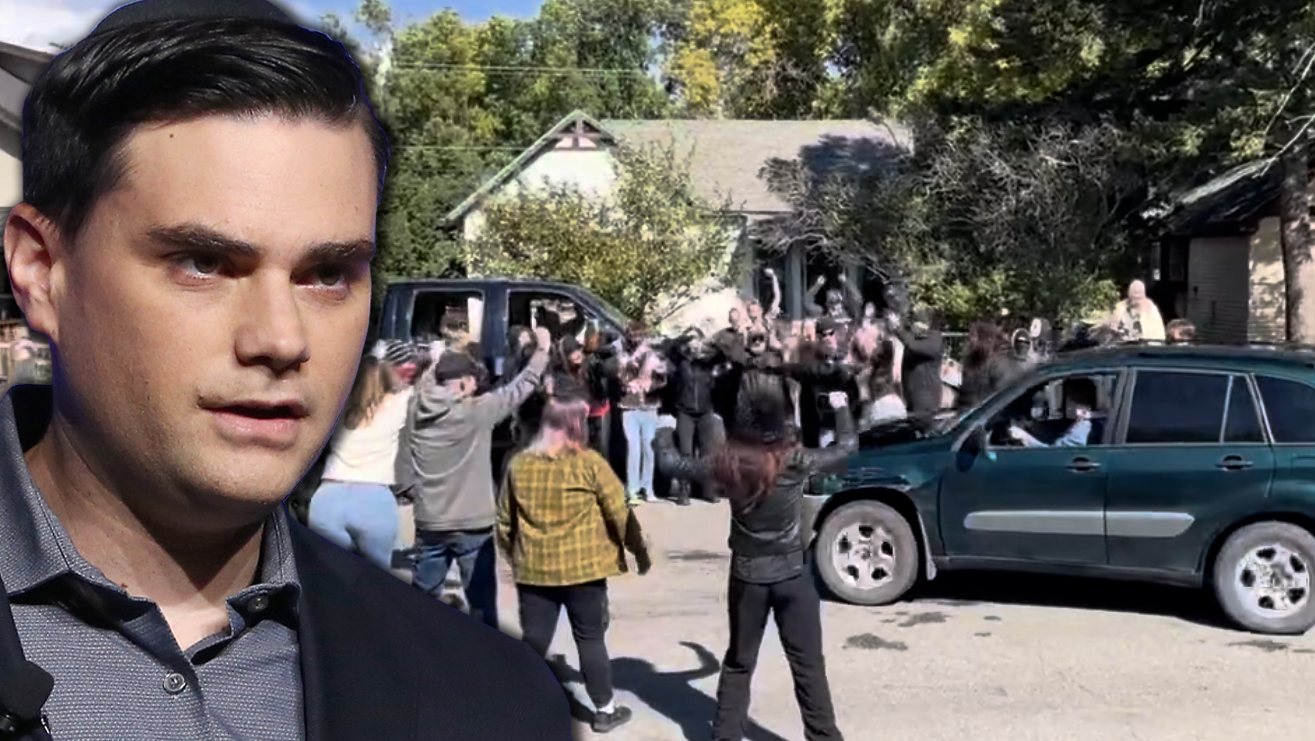
Residents of Livingston, Montana, have organized protests against a new film production from Ben Shapiro's Daily Wire and Dallas Sonnier's Bonfire Legend, objecting to both the project's pro-ICE messaging and its disruptive impact on local businesses. The film, shooting under the working title Pawn Shop, has drawn scrutiny for what locals describe as the use of blank gunshots, pyrotechnics, and a staged car wreck without proper notification or permits.
The production is reportedly a dramatization of the shooting of Renée Good, a case that has become a flashpoint in national debates over immigration enforcement. Protesters argue that the film's narrative presents a one-sided, pro-ICE perspective on the incident, and they object to the production's presence in their community. The demonstrations have taken place near filming locations, with locals voicing concerns about both the content of the project and the manner in which it has been produced.
Business owners in Livingston have reported disruptions to their operations during filming. According to complaints, the production has blocked streets, limited customer access, and created an atmosphere of confusion with unannounced special effects. The use of simulated gunfire and pyrotechnics without adequate warning has been a particular source of anxiety, especially given the sensitivity of the subject matter. Local authorities have not yet commented on whether the production obtained the necessary permits for these activities.
The Daily Wire has increasingly moved into film and television production as part of a broader strategy to counter what it describes as liberal bias in Hollywood. Its partnership with Bonfire Legend, a production company known for genre films, signals an expansion into narrative features with explicit political themes. The choice of Livingston as a filming location has brought the national culture war over immigration policy directly into a small Montana community, where residents now find themselves navigating the intersection of entertainment, politics, and local commerce.
Protests have remained peaceful, with participants emphasizing their right to voice opposition to a production they believe misrepresents a tragic event and disregards the needs of the town. The controversy highlights the growing trend of politically charged film productions becoming flashpoints for local activism, as communities push back against projects that they feel exploit their towns for ideological messaging. For now, filming continues, and the standoff between the production and Livingston residents shows no sign of resolution.
23