
Culture 3 min read By Mason Emerson
Magnum launches Fact/Fiction square print sale with signed works by famous photographers
Magnum Photos has opened a new Square Print Sale built around images that blur the line between fact and fiction, offering signed prints from its roster of celebrated photographers.
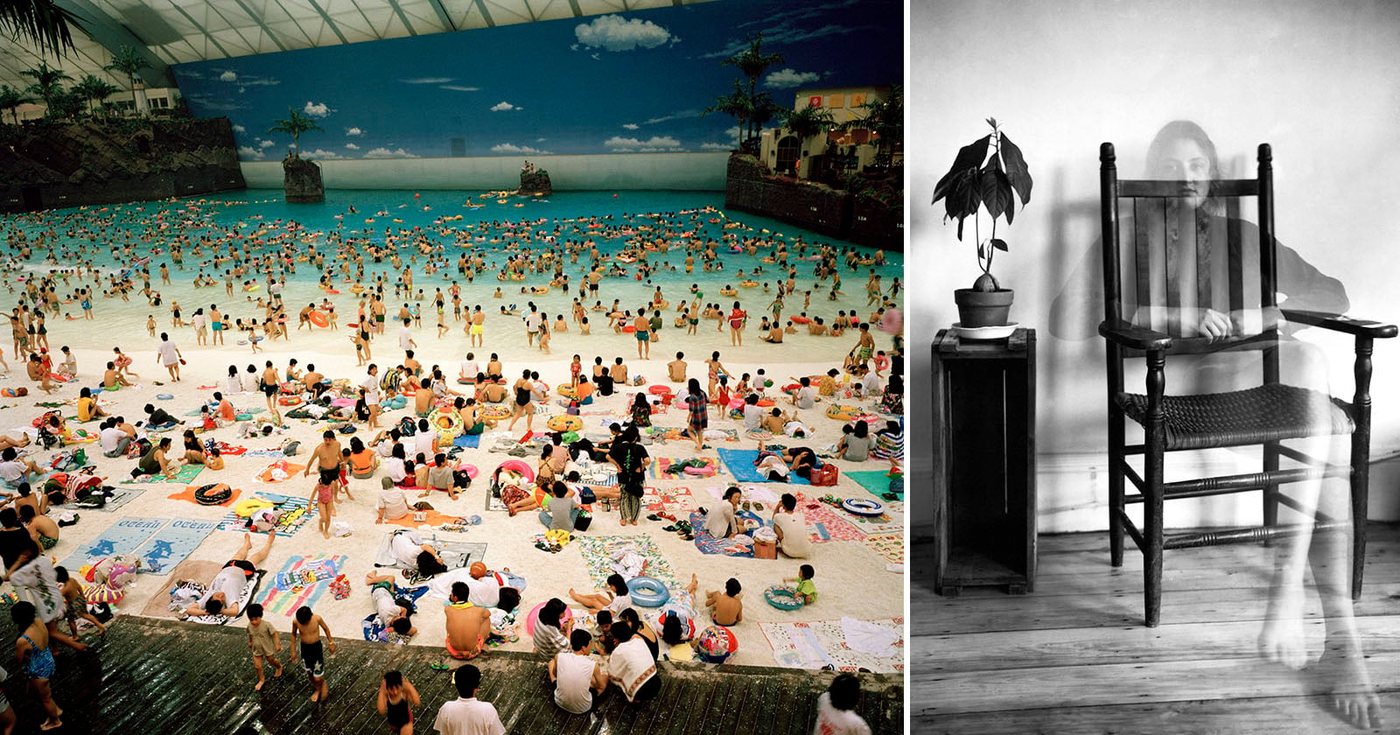
Magnum Photos has announced its latest Square Print Sale, a collection of images chosen to explore the sometimes very fine line between fact and fiction. The agency is offering signed prints by photographers it represents, giving buyers a chance to own original work from one of the most recognized names in photography rather than reproductions.
The theme asks viewers to consider how a photograph can document reality while also shaping it. Magnum was founded in 1947 by a group of photographers including Henri Cartier-Bresson, Robert Capa, George Rodger, David Seymour and William Vandivert, and has long been associated with documentary and reportage work. The Fact/Fiction selection takes up the question of where that tradition meets staging, interpretation and invention, a tension that has run through the agency's history since its founding.
The sale is presented as a curated, square-format offering, a format that has become a recognizable part of Magnum's print programme. Because the photographs are signed, collectors can acquire pieces that carry the photographer's own authentication, a feature that distinguishes the sale from mass-produced editions and makes each print a direct link to the artist who made it.
The announcement was published on October 25, 2026. Pricing, edition sizes and the complete list of participating photographers are not detailed in the source material, and interested buyers would need to consult Magnum's own sales channels for those specifics. What the sale does make clear is that the agency is using a themed selection to bring its archive and its current roster to a wider audience of collectors and photography enthusiasts.
For readers following photography and visual culture, the Fact/Fiction theme places the sale within a wider conversation about authenticity in images. Documentary photographers have long faced scrutiny over staging and editing, and the question of what a photograph can be trusted to show remains a live one. By framing its sale around that boundary, Magnum invites buyers to think about the contract between a photographer and a viewer as much as about the prints themselves.
7