Culture 6 min read By Mason Emerson
Lucas Museum of Narrative Art Unveils Nonstop Film Programming in Two Theaters
The Lucas Museum of Narrative Art has announced its inaugural film programming, featuring continuous screenings throughout the day in two dedicated theaters, marking a major step in its cultural mission.
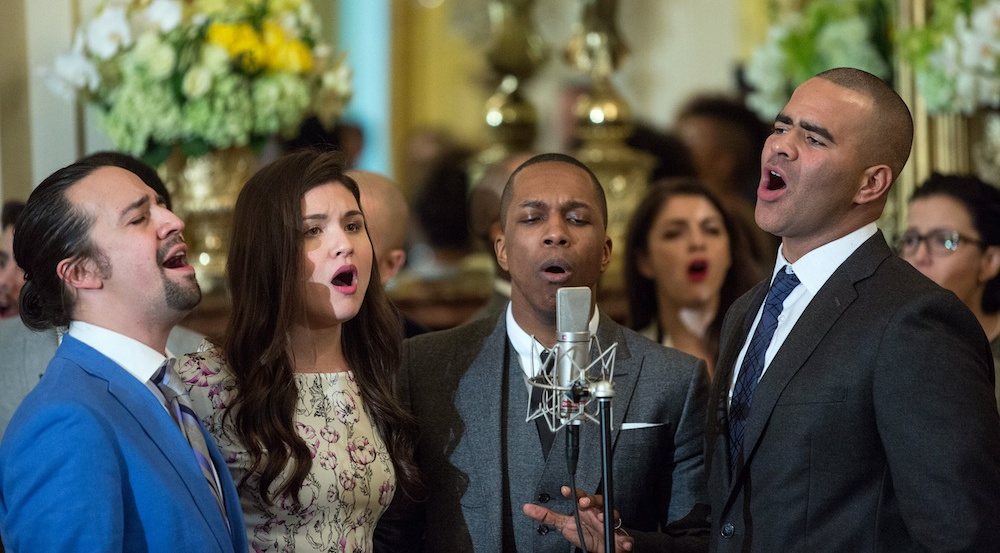
The Lucas Museum of Narrative Art has announced its inaugural film programming, with plans to run nonstop screenings throughout the day in two dedicated theaters. The initiative marks a significant milestone for the institution, which is set to become a major cultural destination in Los Angeles.
The museum, founded by filmmaker George Lucas and his wife Mellody Hobson, will feature a diverse lineup of films that span genres, eras, and global cinema traditions. The programming is designed to complement the museum's core mission of celebrating narrative art in all its forms, from visual storytelling to moving images.
According to museum officials, the two theaters will offer continuous showings, allowing visitors to experience a wide range of films without interruption. The schedule will include classic Hollywood films, international cinema, independent works, and experimental pieces, reflecting Lucas's own eclectic tastes and his belief in the power of storytelling.
The announcement has generated excitement among film enthusiasts and cultural observers, who see the museum as a potential hub for cinematic education and appreciation. The Lucas Museum has already secured partnerships with major studios, archives, and film festivals to curate its programming, ensuring a steady flow of high-quality content.
One of the theaters is designed as a state-of-the-art screening room with advanced projection and sound systems, capable of showing both digital and traditional film formats. The other theater is intended for more intimate screenings, including discussions, workshops, and special events. Together, they will host a variety of programs, from retrospectives of legendary directors to showcases of emerging talent.
The museum's film programming is part of a broader effort to establish itself as a living institution that engages with contemporary culture. In addition to screenings, the museum will offer educational programs, lectures, and interactive exhibits that explore the art of narrative. The film schedule will be updated regularly, with themed seasons and special events tied to holidays, anniversaries, and cultural moments.
George Lucas, best known for creating the Star Wars and Indiana Jones franchises, has long been a proponent of preserving and promoting narrative art. The Lucas Museum, which broke ground in 2018 and is expected to open its doors in the coming years, represents his vision of a space where storytelling is celebrated across mediums. The museum's collection includes thousands of works, from paintings and illustrations to digital art and film memorabilia.
The announcement of the film programming comes as the museum prepares for its grand opening, which has been delayed several times due to construction and planning challenges. Despite these setbacks, the institution has continued to build its team and develop its offerings. The film program is seen as a key draw for visitors, who will be able to spend entire days exploring the museum's galleries and theaters.
Local officials and cultural leaders have praised the museum's commitment to film, noting that it will fill a gap in Los Angeles's cultural landscape. While the city is home to numerous museums and theaters, few offer the kind of comprehensive, nonstop film programming that the Lucas Museum promises. The institution is expected to attract tourists, students, and film lovers from around the world.
The museum has also emphasized accessibility, with plans to offer discounted tickets for students, seniors, and low-income visitors. Additionally, some screenings will be free to the public, particularly those tied to educational initiatives or community outreach programs. The goal, according to museum representatives, is to make narrative art available to as broad an audience as possible.
As the opening date approaches, the Lucas Museum continues to release details about its programming and facilities. The film schedule is expected to be published online in advance, allowing visitors to plan their visits. The museum is also developing a mobile app that will provide real-time updates on screenings, events, and exhibitions.
The announcement has already sparked discussions among film critics and historians about the role of museums in preserving cinematic heritage. Some have noted that the Lucas Museum's approach could serve as a model for other institutions looking to integrate film into their offerings. Others have pointed out that the museum's focus on narrative art aligns with broader trends in the art world, where storytelling has become a central theme.
In the coming months, the museum is expected to announce additional partnerships and programming details, including collaborations with film schools, archives, and cultural organizations. The film program is just one component of the museum's larger mission, but it is already generating significant interest and anticipation.
For now, the Lucas Museum of Narrative Art is positioning itself as a destination not just for art lovers, but for anyone who appreciates a good story. With its two theaters running nonstop screenings, the museum is poised to become a vibrant hub for cinematic culture in Los Angeles and beyond.