
Culture 3 min read By Lauren Baxter
Korean Directors Guild Backs 'The Assassin(s)' as Political Anger Targets Cast and Crew
The Directors Guild of Korea has publicly defended the team behind Hur Jin-ho's box office hit about the 1974 shooting of first lady Yuk Young-soo, as conservative politicians and online critics accuse the film of distorting history and direct their anger at its makers.
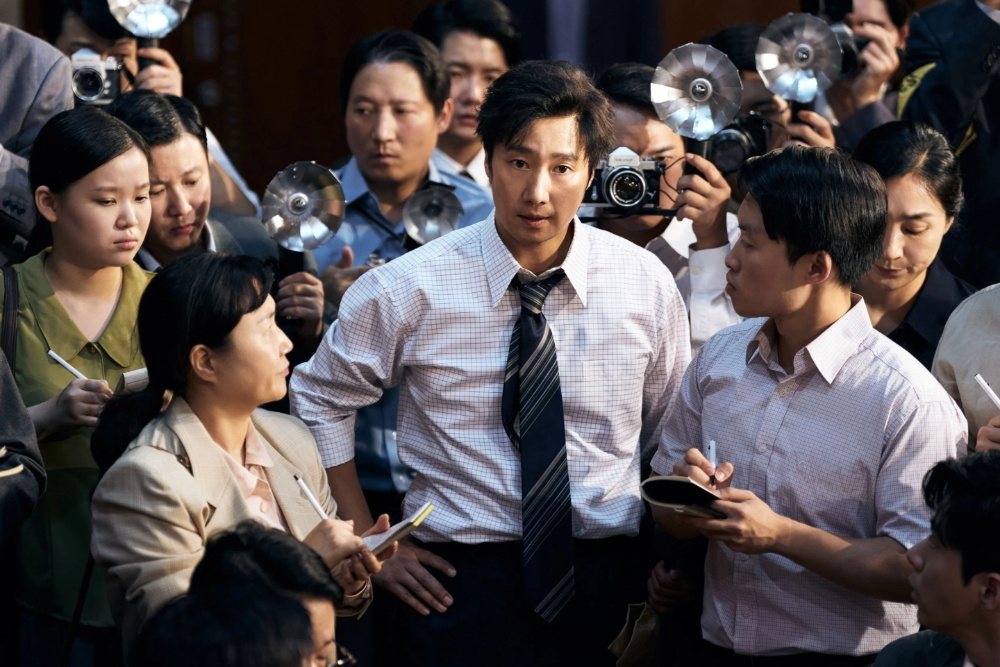
The Directors Guild of Korea has issued a public show of support for the team behind «The Assassin(s),» Hur Jin-ho's thriller about the 1974 shooting of first lady Yuk Young-soo, after political anger over the film's success spilled onto its cast and crew.
Conservative politicians and online critics have accused the film of distorting history, turning a domestic box office leader into the center of a heated political fight. The guild's intervention marks a significant escalation in a dispute that now reaches beyond film criticism into the country's broader culture wars.
«The Assassin(s)» dramatizes the 1974 assassination attempt on then-President Park Chung-hee, in which Yuk Young-soo was killed. The film has become the top performer at the Korean box office, drawing large audiences while also attracting fierce opposition from those who dispute its portrayal of the era.
The Directors Guild of Korea's statement defending the filmmakers represents a rare collective move by the industry's most prominent professional body. By rallying behind the production, the guild signals that it views the attacks on the film's makers as a threat to creative expression rather than a legitimate historical debate.
The controversy reflects a recurring tension in South Korean cinema, where films that revisit the country's authoritarian past frequently provoke intense political reactions. Works dealing with the Park Chung-hee era have long been lightning rods for competing narratives about modernization, repression, and national memory.
What distinguishes this episode is the direct targeting of individuals involved in the production. According to the guild's account, the anger has moved from criticism of the film's content to personal attacks on the cast and crew, a development that industry figures say crosses a line.
The film's commercial success has amplified the stakes. As the box office leader, «The Assassin(s)» reaches a mass audience, giving its interpretation of the 1974 events unusual visibility at a time when historical memory remains politically charged in South Korea.
The Directors Guild of Korea's support places the organization alongside the filmmakers in a public dispute that shows no sign of cooling. For now, the guild's message is clear: it stands with the team behind «The Assassin(s)» as the political firestorm around the film continues to intensify.
21