
Culture 4 min read By Mason Emerson
Emma Stone's Sci-Fi Film «Poor Things» Earns Praise as One of the Decade's Best
Emma Stone's sci-fi movie «Poor Things», based on a beloved book, is hailed as one of the best films of the 2020s, despite taking significant liberties with its source material.
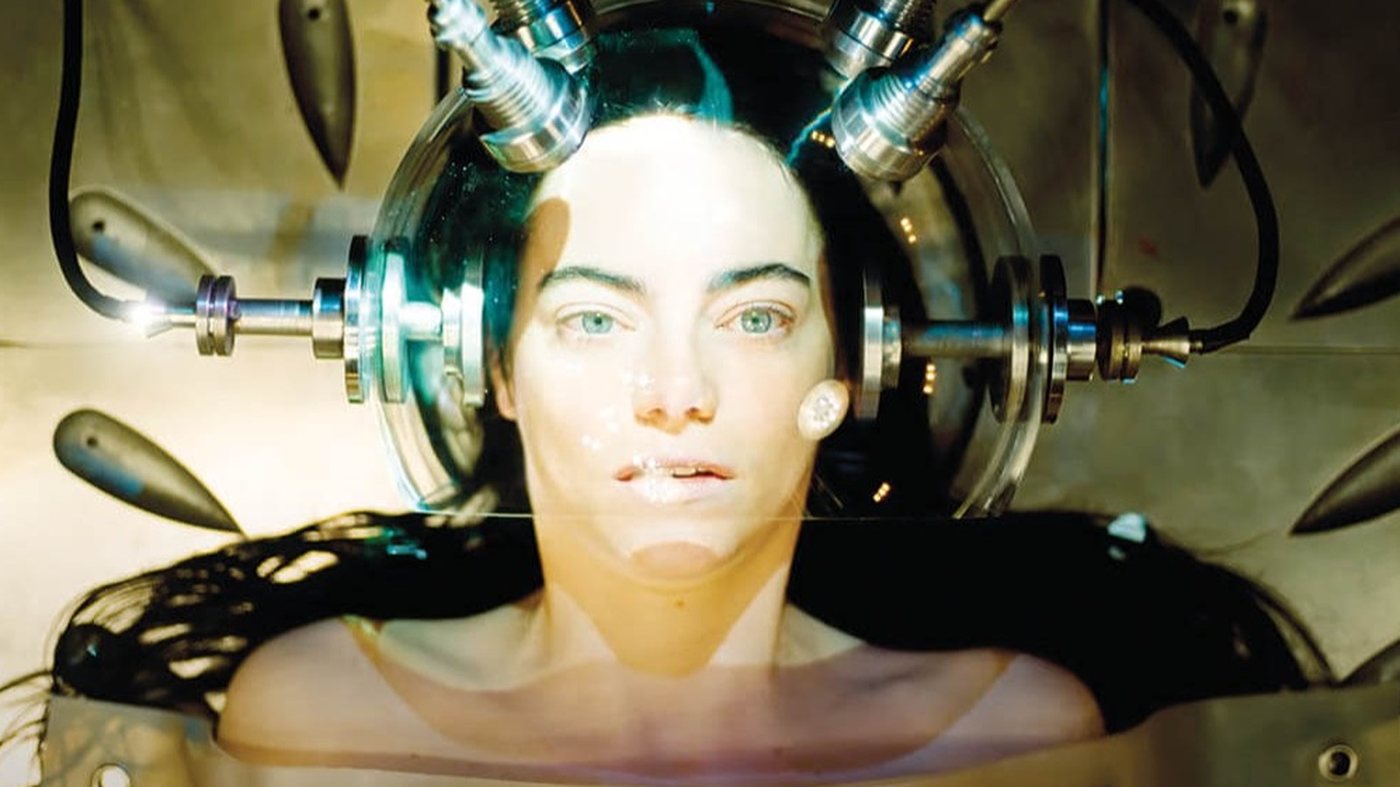
Emma Stone's latest sci-fi film, «Poor Things», has been hailed as one of the standout movies of the 2020s, earning critical acclaim for its bold adaptation of a cherished literary work. The film, which takes significant creative liberties with the celebrated book it is based on, has sparked conversations among audiences and critics alike about the nature of adaptation and the boundaries of storytelling.
«Poor Things» follows the extraordinary journey of Bella Baxter, a young woman brought back to life by an unorthodox scientist, played by Willem Dafoe. Stone delivers a transformative performance as Bella, whose journey of self-discovery and liberation unfolds against a visually stunning, surreal backdrop. The film's unique blend of science fiction, dark comedy, and philosophical inquiry has resonated deeply with viewers, cementing its place as a cultural touchstone of the decade.
The movie draws inspiration from Alasdair Gray's 1992 novel of the same name, a cult classic known for its intricate narrative and sharp social commentary. While the film retains the novel's core premise, it reimagines the story with a distinctly modern sensibility, emphasizing themes of autonomy, identity, and the complexities of human experience. Director Yorgos Lanthimos, known for his unconventional style, brings a distinctive visual and emotional language to the adaptation, earning praise for his fearless approach.
Critics have lauded the film for its audacity and originality, with many noting that it pushes the boundaries of what mainstream cinema can achieve. The performances, particularly Stone's, have been singled out as career-defining, while the film's production design and cinematography have been described as breathtaking. The movie has also sparked discussions about the role of adaptation in cinema, with some arguing that its deviations from the source material enhance rather than diminish the story.
The film's success is part of a broader trend in Hollywood of adapting beloved books into ambitious, auteur-driven projects. «Poor Things» stands out, however, for its willingness to take risks, both narratively and stylistically. Its exploration of themes such as female agency and societal expectations has struck a chord with contemporary audiences, making it a frequent topic of discussion in cultural circles.
As the decade progresses, «Poor Things» is increasingly being cited as a benchmark for cinematic excellence. Its blend of intellectual depth and emotional resonance has ensured its place in conversations about the best films of the 2020s. For fans of Stone, Lanthimos, or simply compelling storytelling, the movie offers a rich and rewarding experience that lingers long after the credits roll.
The film's impact extends beyond the screen, influencing fashion, art, and even academic discourse. Its distinctive aesthetic has inspired countless tributes and analyses, while its narrative has been examined through various lenses, from feminist theory to existential philosophy. This cultural footprint underscores the movie's significance as more than just entertainment, but as a work of art that challenges and inspires.
In an era where franchises and sequels often dominate the box office, «Poor Things» serves as a reminder of the power of original, thought-provoking cinema. Its success demonstrates that audiences are hungry for stories that dare to be different, and that filmmakers who trust their vision can create works that resonate on a profound level. As the film continues to find new audiences, its legacy as a landmark of 2020s cinema seems assured.