Culture 3 min read By Lauren Baxter
Director John Hamburg Names the Best Scene in Focker In-Law
Director John Hamburg explains which scene in Focker In-Law he considers the best and why it matters to him personally.
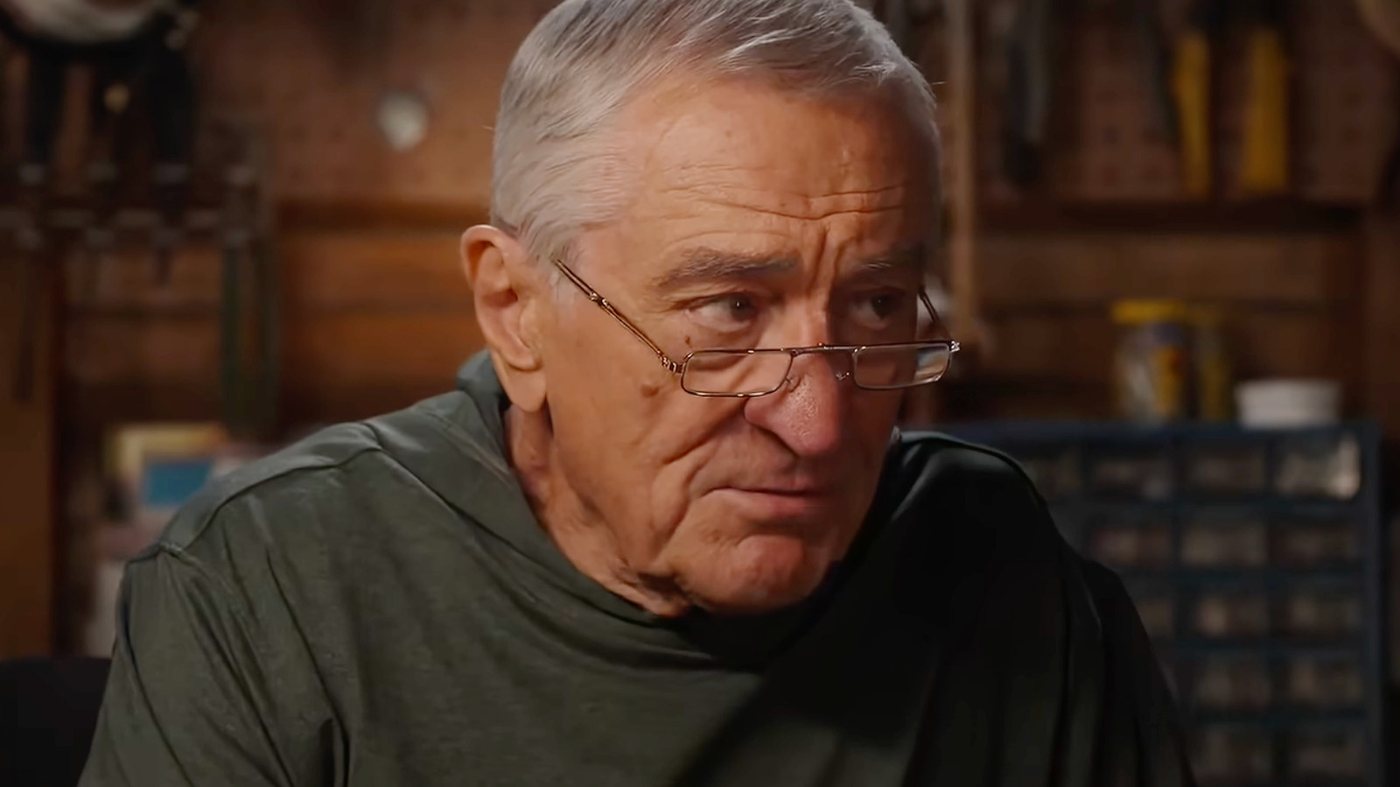
Director John Hamburg has singled out one scene from his new comedy Focker In-Law as the best in the film, and he told us exactly why it carries so much weight for him. The sequel continues the story of the mismatched in-laws at the center of the Meet the Parents franchise, a series that has become one of the most commercially successful comedy properties of the past two decades. Hamburg co-wrote the 2000 original, and his return to the material is a sign of how closely he has followed these characters for more than twenty-five years.
In the exclusive interview, Hamburg describes the scene he considers the high point of Focker In-Law as one that captures what the franchise has always been about: awkward family tension that slowly turns into genuine affection. He frames the moment as a reflection of the relationships at the core of the series, where the humor comes from characters who do not naturally understand one another but are forced to share the same space. His explanation of the scene's personal significance offers a window into how he approached the sequel after so many years away from the franchise's central dynamic.
The comments arrive as the franchise draws renewed attention. Hamburg has previously described how the creative team kept in touch over the years, occasionally exchanging texts and emails with collaborators from the 2000 film to ask whether anyone had a new sequel idea. Those informal conversations were a steady source of ideas, and they eventually led to a project that could bring the family back to the screen with fresh comic situations. The earlier installments had already proven the appeal of the premise, with the 2004 follow-up Meet the Fockers drawing strong box office results, which made the case for a continuation easier to argue.
For Hamburg, the choice of a favorite scene reflects a broader view of the film. Rather than pointing to the most elaborate set piece, he chooses a quieter moment in which the characters relate to one another in a way that feels honest, and he believes that honesty is where the movie's heart lies. The approach matches the way the earlier films balanced broad comedy with recognizable family behavior, the kind of tension that many viewers have experienced firsthand. Hamburg's emphasis on character over spectacle suggests that the sequel is meant to be judged less by its gags than by how convincingly its relationships hold together.
Readers who want the full discussion, including his thoughts on how the scene was staged and where it fits in the larger story, can find the complete exclusive conversation with the director. The interview gives a more detailed account of the choices behind the film than a summary can offer, and it shows how a single scene can stand for the larger intentions of a long-running comedy.
Source: slashfilm.com
10