Culture 3 min read By Mason Emerson
Cristian Mungiu’s « Fjord » Draws Little Public Debate Two Weeks After Release
Two weeks after its opening, Cristian Mungiu’s political drama « Fjord » has struck a column writer as oddly quiet, with conversation focused on other films instead of its provocative stance.
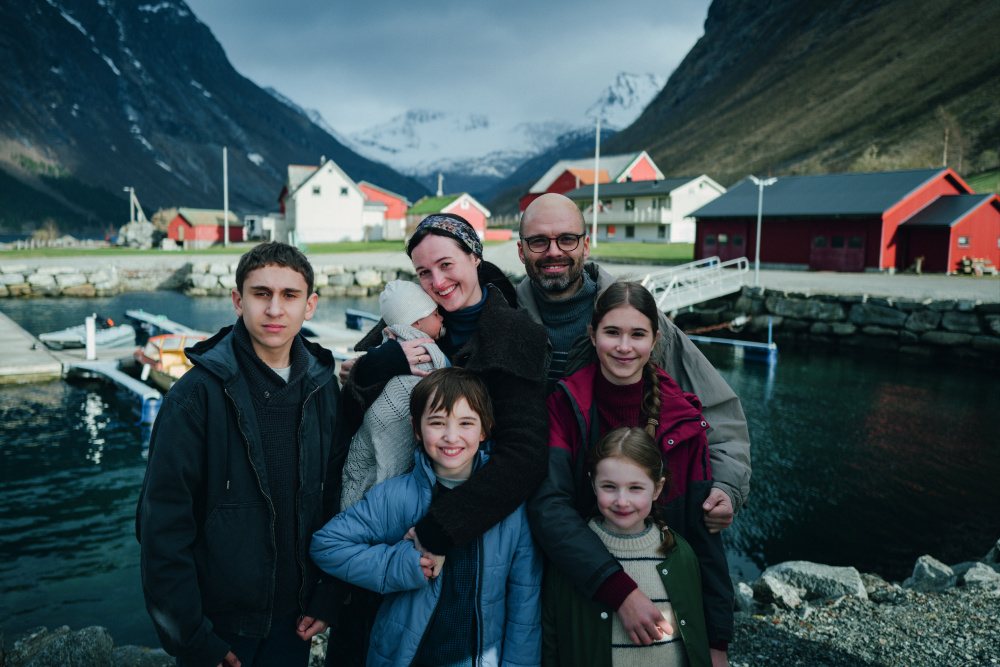
Two weeks after its release, Cristian Mungiu’s harrowing and pointedly provocative political drama « Fjord » has yet to generate the public argument that its subject seems to invite. A Variety column asks where the debate is: where the fervor, the fire and the sense that a film of this kind matters to the wider culture have gone. The column’s author, who has followed the film since its opening, frames the question as one about the role of cinema in public life rather than about the film’s technical or artistic merits.
The writer notes that conversation about recent releases has centered largely on « You Can See Everything », which is being parsed by critics and audiences alike, with commentary, analysis and fan discussion spreading across social platforms and review pages. « Fjord » has not attracted a comparable volume of argument, even though its political stance is clear and direct. The column suggests that the film’s position may be too hot to handle for some viewers and commentators, and that this reluctance, rather than indifference to the film itself, may explain the muted response.
Mungiu, the Romanian director whose earlier work has been praised for its moral seriousness and its examination of social institutions, has built a reputation for films that provoke discussion. That history makes the current silence more striking. The column does not claim that the film has been ignored or poorly received; it asks instead why a work with such pointed political content is not sparking the disputes, counterarguments and personal reactions that such films have traditionally produced. The absence of debate, the writer suggests, is itself a cultural signal worth examining.
For readers, the column serves as a reminder that films with political stakes are meant to be argued over, not merely watched. Whether « Fjord » eventually finds its audience and its critics in larger numbers will depend on how audiences, reviewers and commentators choose to engage with its message in the weeks ahead. For now, the question the column raises remains open: where the conversation is, and why a film that takes such a clear stance has so far been met with so little of it.
6