Culture 2 min read By Morgan Griffin
Billy Evans says he did not consent to nudity in «You Can See Everything»
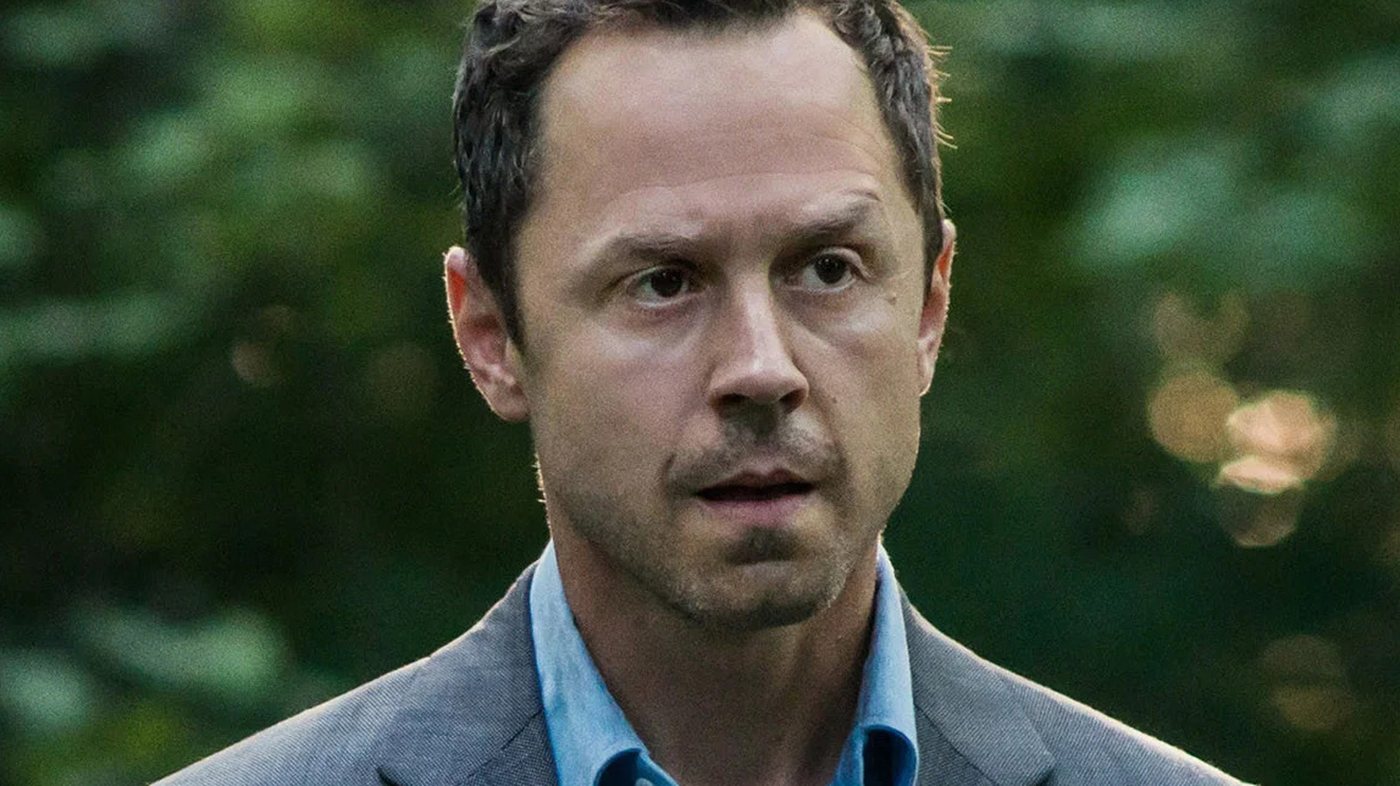
Elizabeth Holmes's husband, Billy Evans, says he did not agree to his full-frontal nudity appearing in the A24 documentary, though he still says he enjoys the film.
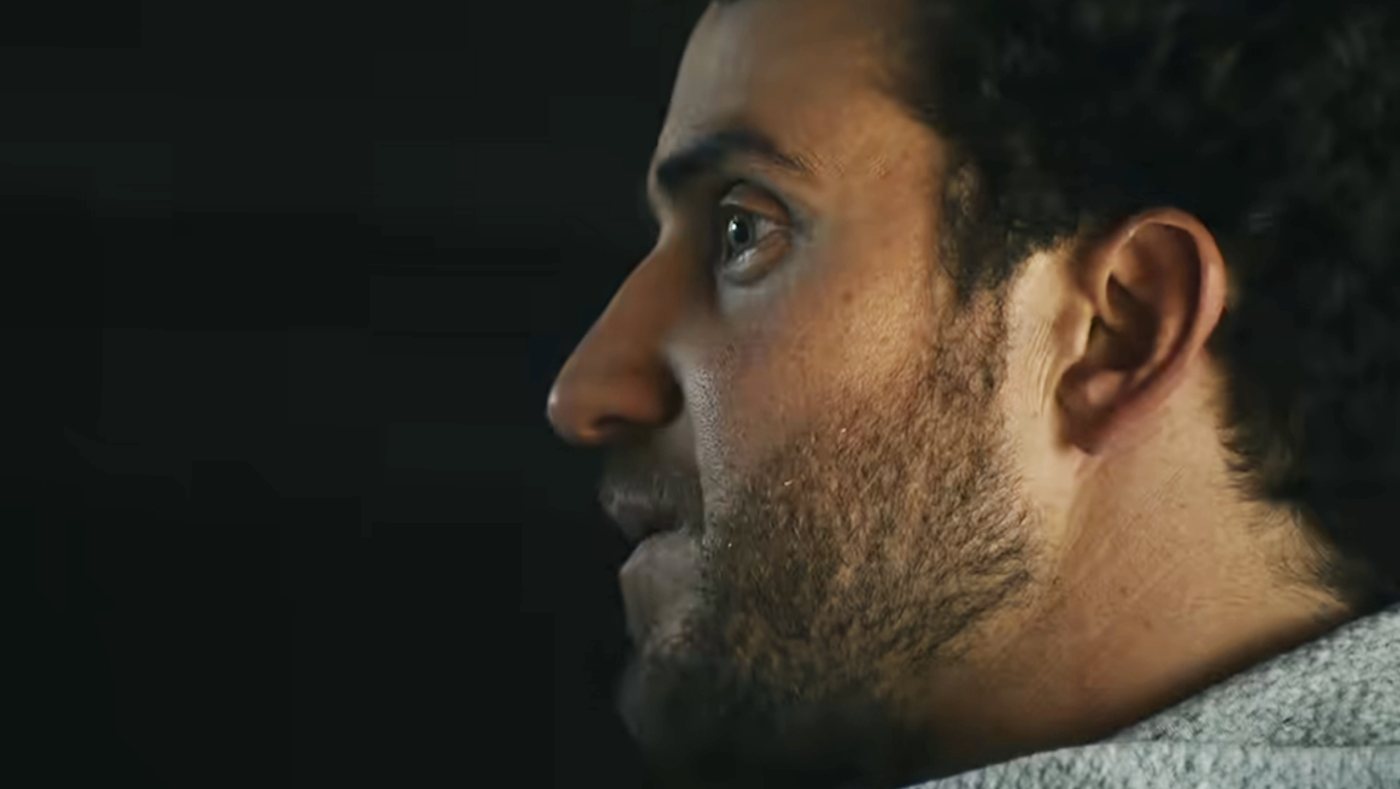
Billy Evans, the husband of disgraced Theranos founder Elizabeth Holmes, says he did not consent to his full-frontal nudity appearing in the A24 documentary «You Can See Everything», even as he says he still likes the film. In his first interview about the project, Evans described the movie as entertainment, a framing that sits uneasily beside his objection to how his own body was shown on screen.
The documentary, directed by Nathan Fielder and Lance Oppenheim, was released last month, in October. The film follows the Holmes story and features Evans, and his nudity is among the elements that drew attention after release. Evans told CBS News chief correspondent Matt Gutman that he had not agreed to that footage being included.
The interview aired on «CBS News Sunday Morning» on Sunday, Nov. 15. Gutman's conversation with Evans gave the public its first direct account from Holmes's husband about the documentary, and Evans's remarks came without any detailed rebuttal from the filmmakers on the question of consent. The available reporting does not make clear whether A24 or the filmmakers have responded to his claim.
Evans also commented on Amanda Seyfried's portrayal of Holmes. That performance appears in a separate, dramatized project about the Theranos story, not in the Fielder and Oppenheim documentary, so the two works should not be confused. Evans's comments on Seyfried were part of the same interview, which covered both the film and the wider public attention around the Holmes case.
Holmes founded Theranos, the blood-testing company whose claims collapsed amid fraud allegations and which ended with her criminal conviction. The documentary revisits that history, and the question of how participants are portrayed has become part of the conversation around the film. Evans's account adds a personal dimension to that debate: he criticizes one aspect of the production while still praising the movie overall.
Source: deadline.com
39