Culture 4 min read By Mason Emerson
BBC Studios Scripted Chief Rules Out Big-Money Production Company Buys
Jamie Hall, BBC Studios' new Scripted MD, says his strategy for indie and talent deals will avoid spending tens of millions on acquisitions, favoring partnerships instead.
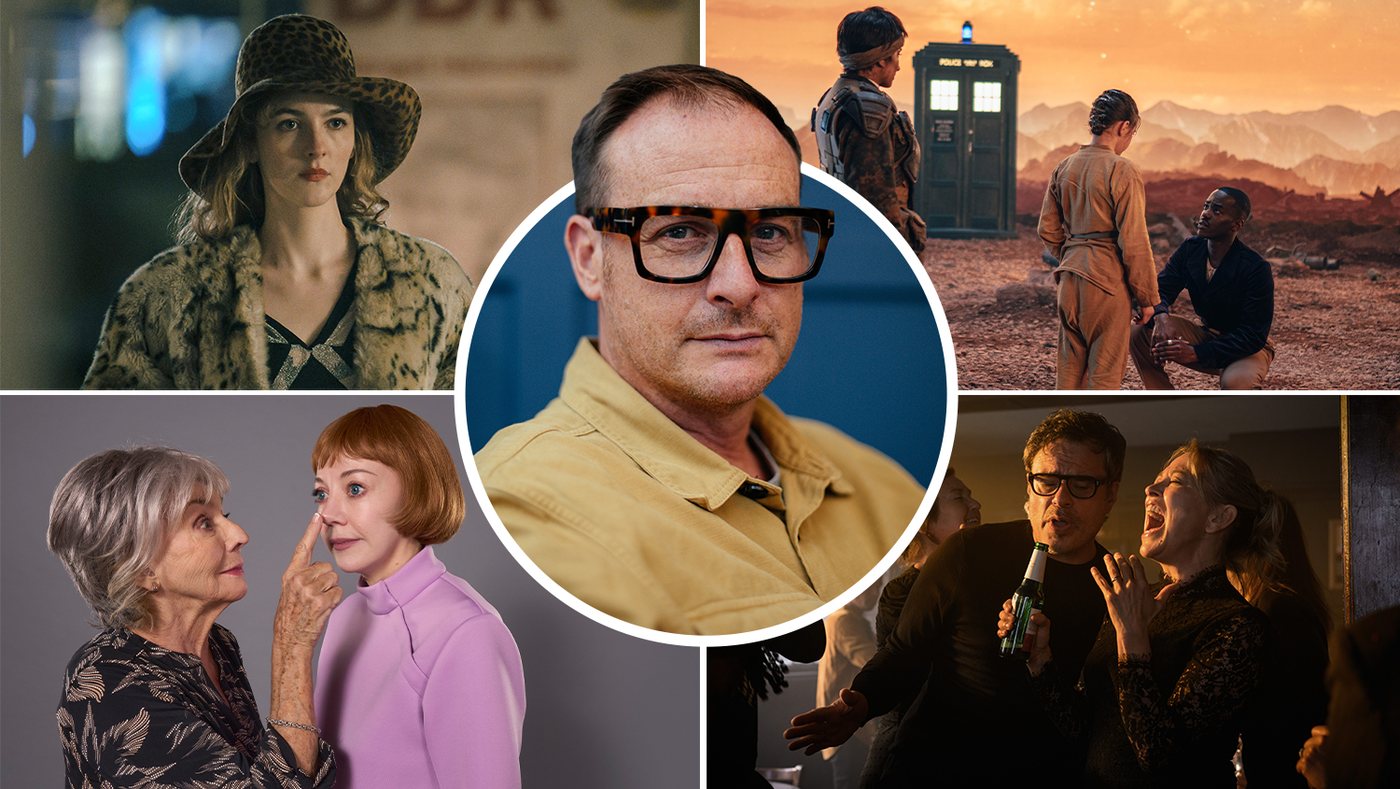
BBC Studios will not pursue a strategy of buying production companies outright, according to Jamie Hall, the newly appointed managing director of its scripted division. In his first interview since taking the role, Hall said the company would steer clear of «going out and spending £20M ($26.5M) on a production company,» signaling a preference for talent-led partnerships and targeted indie investments over large-scale acquisitions.
Hall, who oversees scripted output including the flagship series Doctor Who, outlined a plan built around working with independent producers and on-screen talent rather than absorbing them into the BBC Studios corporate structure. The approach reflects a broader recalibration across the international television industry, where rising production costs and a tighter streaming market have made expensive consolidation bets less attractive.
The comments arrive as the scripted sector faces pressure on multiple fronts. Streaming platforms that once fueled a boom in high-end drama have slowed commissioning, while traditional broadcasters are managing budgets more cautiously. For a studio like BBC Studios, which both produces and distributes content globally, the calculus favors flexible deals that keep creative talent incentivized and reduce the financial risk of outright ownership.
Hall's strategy also speaks to a wider debate about where premium television is heading. At the RTS London Convention, Sister co-founder Jane Featherstone, whose credits include Black Doves, argued that high-end TV and the talent behind it will eventually find audiences on platforms such as YouTube and TikTok rather than remaining exclusively on established networks and streaming services. That view underscores the uncertainty facing producers as viewing habits fragment and digital platforms expand their reach into long-form content.
For BBC Studios, the indie-and-talent model offers a way to stay nimble. Rather than acquiring a company and inheriting its overhead, the studio can strike development and distribution partnerships that align with specific projects and creators. Such arrangements can also make it easier to adapt when a show succeeds or a genre falls out of favor, since the commitment is tied to output rather than permanent staff and infrastructure.
The approach mirrors moves elsewhere in the European production landscape. The Creatives, a producer-led group founded in 2021 as a strategic partnership, is moving into a jointly owned holding structure, with Anton Studios taking a minority position as partner and investor. That model, described as the first European-rooted producer-owned group of its kind, similarly emphasizes collaboration and shared ownership over outright sale.
Hall's remarks suggest BBC Studios sees its future in backing creators and shepherding projects from development through global distribution, not in accumulating production labels. The strategy carries risks: without owning companies outright, the studio may have less control over long-term output and could face competition from deeper-pocketed buyers for the same talent. But it also preserves capital and keeps relationships with independents intact, which can matter when a single hit series can transform a studio's fortunes.
For now, the message from BBC Studios' scripted chief is clear: the company intends to grow through partnerships and selective investments, not through headline-grabbing acquisitions. How that plays out will depend on whether the talent deals Hall envisions can deliver the kind of premium scripted content that global buyers still want, even as the economics of television continue to shift.
10