Culture 4 min read By Trevor Kendall
Apple Sets Silo Season 4 for 2027 as Dark Sci-Fi Fans Seek Alternatives
Apple TV has confirmed that Silo will return for its fourth and final season on July 9, 2027, leaving fans of the dystopian drama with a long wait. In the meantime, a wave of dark science-fiction series — from Bodies to Fallout — offers similar themes of paranoia, buried secrets and institutional control.
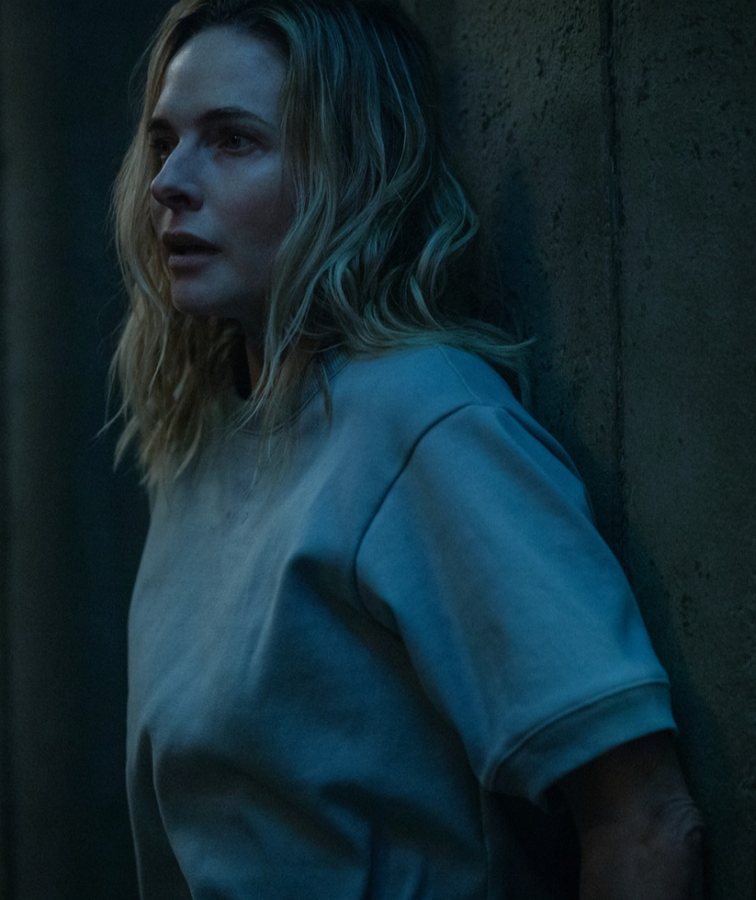
Apple TV has set July 9, 2027, as the premiere date for the fourth and final season of Silo, confirming that the dystopian drama will conclude its run after a lengthy hiatus. The announcement gives viewers a fixed target for the show's resolution but also means a wait of nearly two years for new episodes.
Based on Hugh Howey's novels, Silo follows Juliette Nichols and a community living in a massive underground structure where questioning the outside world is forbidden. Its appeal lies in a mix of paranoia, buried secrets and rotten institutions — elements that have made it a signature title for Apple's science-fiction slate.
For fans who want to fill the gap, a growing number of dark sci-fi series explore similar territory. Netflix's Bodies begins with four detectives in London discovering the same corpse across four different time periods. The limited series connects those timelines through a single murder, gradually expanding a strange discovery into a larger conspiracy. Its central pleasure is watching clues from one era reshape assumptions about another, rewarding viewers who enjoy piecing together a mystery alongside the characters.
Prime Video's Fallout, adapted from the video game franchise, takes a more satirical route but retains a vicious worldview. It follows people raised inside enormous underground vaults before they are forced to confront the wasteland outside. The vaults initially appear wholesome, with cheerful residents and tidy uniforms, until their true purpose emerges. Outside, violence, greed and strange creatures await, with Walton Goggins's Ghoul offering a particularly dark comic presence. The show's mix of dark humor and sinister experiments makes it a natural companion to Silo.
Netflix's Black Mirror remains a staple for viewers drawn to surveillance, artificial intelligence and social control. The anthology format allows for selective viewing, and its darker episodes turn recognizable technology into sources of dread. The fear often comes from how plausible the scenarios feel, leaving audiences to wonder about their own relationship with the devices they trust.
3 Body Problem, also on Netflix, builds its conflict slowly before revealing the scale of an existential threat. The adaptation weaves scientific mysteries, political upheaval and personal loss into a story about brilliant scientists confronting problems that intelligence alone cannot solve. For viewers who appreciated Silo's larger questions about humanity and control, the series offers a much larger — and more terrifying — playground.
Apple's Dark Matter takes a more intimate approach. It follows Jason Dessen, a physicist who is abducted and wakes up in an alternate version of his own life. The science-fiction premise drives the plot, but Jason's desperate attempt to return to his family provides the emotional core. Each alternate reality presents another version of the life he could have lived, forcing him to confront choices and their consequences.
The common thread among these series is a willingness to sit with unease. They do not offer easy resolutions or reassuring heroes. Instead, they ask viewers to question the systems around them and the people who claim to protect them. That sensibility has become a hallmark of contemporary science fiction, where dystopia is less a warning than a mirror.
For Silo fans, the wait until 2027 may feel excessive, but the current landscape of dark sci-fi offers plenty of material to keep the paranoia alive. Whether through time-bending mysteries, post-apocalyptic wastelands or alternate realities, the genre continues to explore what happens when hidden truths refuse to stay buried.
23