Business 4 min read By Trevor Kendall
Paramount Settles Antitrust Case With 12 States, Clearing Path for Warner Bros. Discovery Takeover
Paramount has agreed to keep its California operations, invest an additional $300 million annually in U.S. film production, and accept CNN oversight as part of a settlement with 12 state attorneys general, paving the way for its $111 billion acquisition of Warner Bros. Discovery.
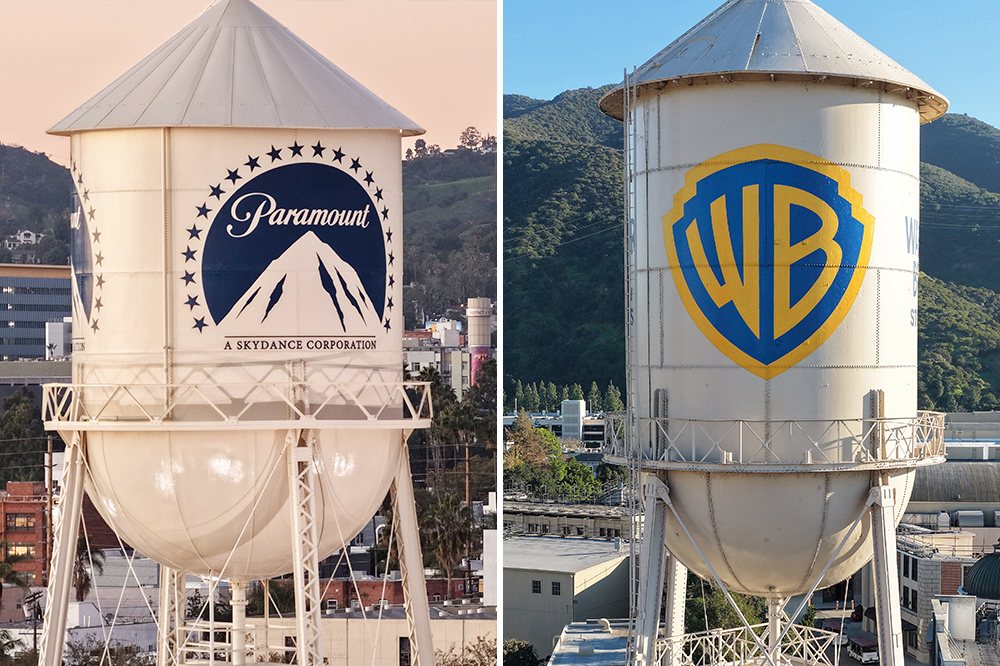
Paramount has reached a settlement with 12 state attorneys general in their antitrust case, removing a major regulatory obstacle to its $111 billion acquisition of Warner Bros. Discovery — the largest merger in Hollywood history. The terms, revealed by California Attorney General Rob Bonta at a news conference, include commitments to maintain operations in California, refrain from selling the Paramount Studios lots, and invest an additional $300 million per year in U.S. film production.
Bonta stressed that the agreement is «not a blessing» of the merger, framing the settlement as a set of enforceable conditions rather than an endorsement. The deal, submitted as a proposed consent decree for a judge's approval, carries a five-year term and requires a minimum number of annual theatrical film releases. Paramount also agreed to accept oversight of CNN, a key asset in the Warner Bros. Discovery portfolio.
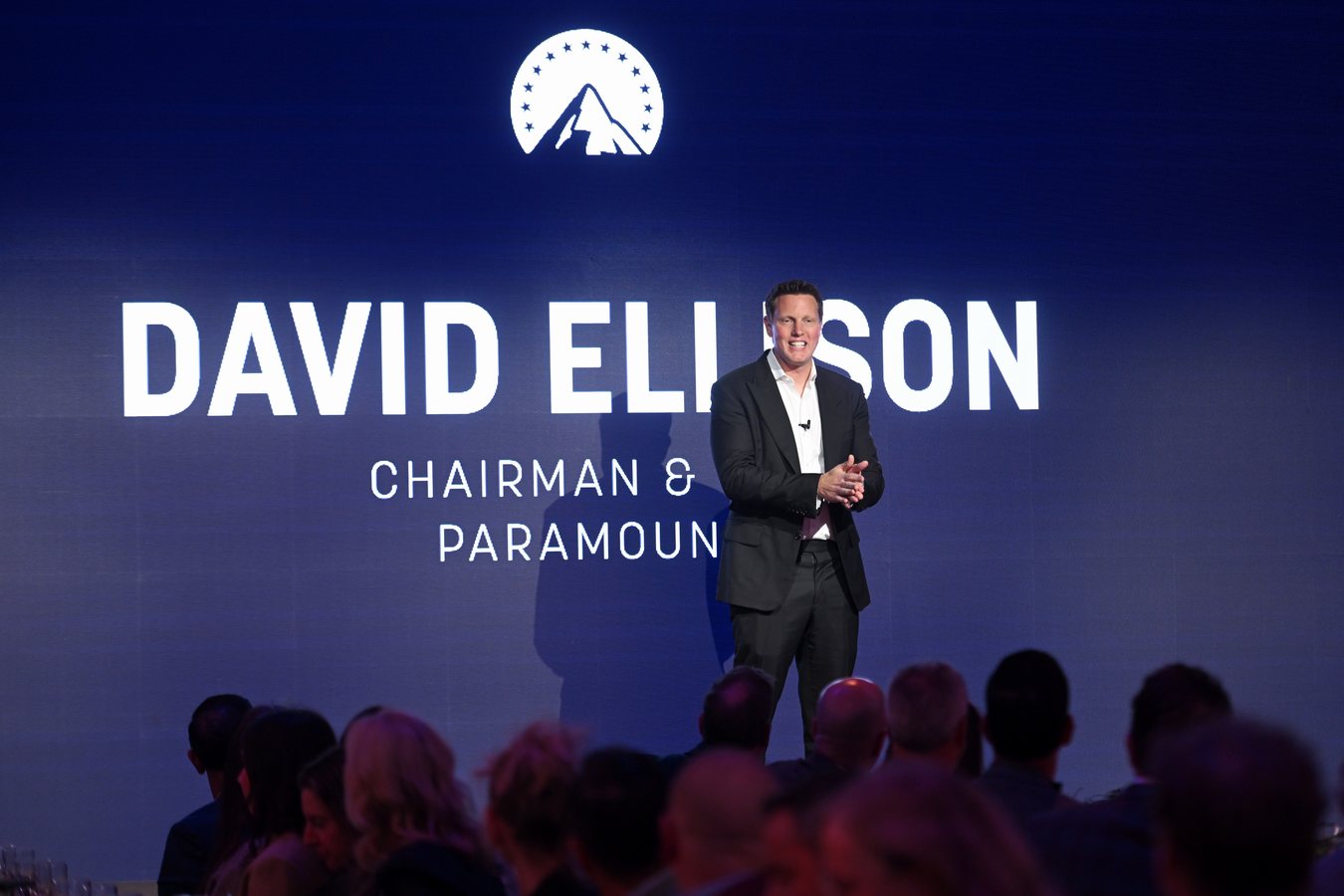
Paramount CEO David Ellison said the company now has «complete clearance for this merger» and expects to close the acquisition by October 1, when a costly ticking fee was set to take effect. The settlement resolves the antitrust lawsuit brought by the state attorneys general, which had threatened to delay or derail the transaction.
The commitments are designed to address concerns about consolidation in the entertainment industry and its impact on production, jobs, and media plurality. By keeping the Paramount Studios lots off the market and boosting domestic film spending, Paramount aims to reassure state officials and industry stakeholders that the merger will not reduce output or harm California's production ecosystem.
The additional $300 million in annual U.S. film production investment represents a significant increase over current spending levels, though the exact baseline was not disclosed. The consent decree also mandates a minimum number of annual film releases, a provision intended to ensure that the combined company maintains a robust theatrical slate rather than prioritizing streaming at the expense of cinemas.
CNN oversight was another central element of the settlement, reflecting broader concerns about the concentration of news media ownership. The agreement gives states a role in monitoring how the merged entity operates the cable news network, though specific oversight mechanisms were not detailed in the initial announcement.
The settlement marks the culmination of a lengthy review process that had drawn attention from entertainment figures, politicians, and regulators. While the deal still requires judicial approval of the consent decree, the parties have signaled confidence that the merger will proceed on schedule.
For Paramount, the agreement clears the way to integrate Warner Bros. Discovery's vast library, television networks, and film studios, creating a combined entity with unprecedented scale in Hollywood. The company has argued that the merger will generate efficiencies and allow for greater investment in content, while critics have warned of reduced competition and fewer independent voices in the media landscape.
Bonta's announcement came as industry observers and political figures weighed in on the settlement, with some praising the conditions as necessary safeguards and others questioning whether they go far enough. The consent decree will now be reviewed by a federal judge, who must determine whether the terms adequately protect competition and the public interest.
If approved, the merger is expected to close by October 1, completing a transaction that will reshape the entertainment industry and set a new precedent for how state attorneys general engage with major media consolidations.
5