Business 4 min read By Lauren Baxter
Lettuce Farmers Destroy Crops as Cyclosporiasis Outbreak Cuts Demand
Farmers in California's Salinas Valley are plowing romaine harvests back into the soil after the nationwide cyclosporiasis outbreak cut demand for fresh greens, even though their fields showed no signs of contamination.
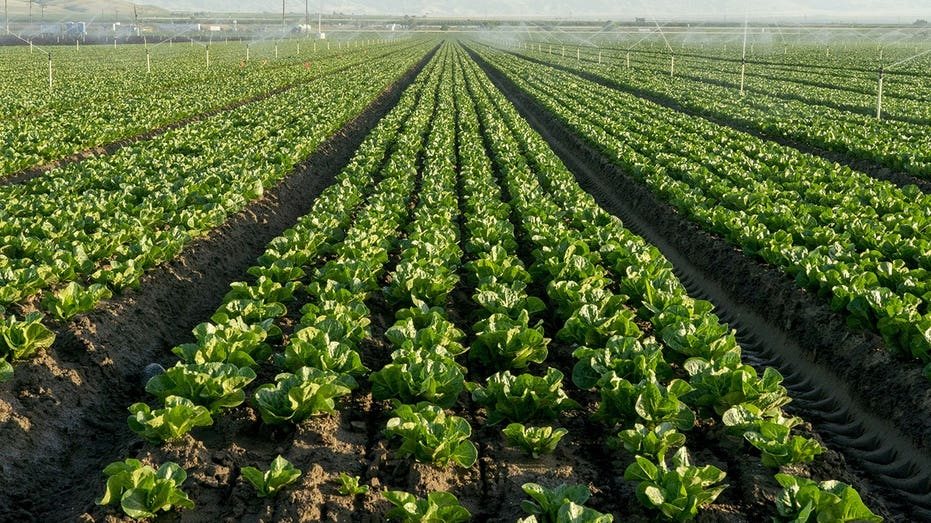
Farmers in California's Salinas Valley are plowing freshly harvested lettuce back into the soil after a nationwide cyclosporiasis outbreak sharply reduced consumer demand for leafy greens, even though their fields have shown no signs of the parasite.
One grower, Cox's Coastline Family Farms, destroyed about 300,000 pounds of romaine hearts and incorporated the crop into the soil, according to a report in The Wall Street Journal. The company supplies major grocery stores and top restaurants around the country, but Cox said demand for his greens has fallen by as much as 30 percent during the outbreak.
« It is incredibly demoralizing, » Cox said. « I would've been better off taking a vacation in the South of France than planting the crop. »
The Salinas Valley, sometimes called « America's Salad Bowl, » supplies nearly half of the lettuce consumed in the United States, making the region central to the national produce market. The outbreak has sickened thousands of people in nearly every state with cyclosporiasis, an intestinal illness caused by a microscopic parasite. Symptoms can include explosive diarrhea, and the infection has prompted widespread consumer caution even among shoppers buying greens from areas not linked to the contamination.
The outbreak has been linked to iceberg lettuce from central Mexico that was recalled by California-based Taylor Farms, the country's largest lettuce supplier. Despite that specific recall, the fallout has spread across the entire lettuce industry as Americans worry about whether fresh produce is safe.
« Consumers aren't sure what's right anymore so, out of an abundance of caution, they're just passing on everything, » Joelle Mosso, a food scientist at the family farm trade group Western Growers, said.
The impact is visible in national sales data. Fresh lettuce sales fell nearly 9 percent in the month from mid-June to July compared with the same period a year earlier, a decline equivalent to about 7.6 million pounds of lettuce, according to NielsenIQ data cited in the report. Other vegetables, including cauliflower, carrots, spinach and Brussels sprouts, also saw weaker sales, and even salad dressing purchases dropped. When an earlier cyclosporiasis outbreak was linked to lettuce served at Taco Bell, the chain's sales fell 25 percent that week.
Not every producer has cut back. Viraj Puri, who founded Brooklyn-based Gotham Greens, said his company kept planting despite slower sales. « The public health benefits of a diet grounded in fruits and vegetables are indisputable, » he said. « I really hope consumers can get back to trusting the fruits and vegetables they buy in stores, because they generally are safe. »
Some shoppers are turning to local farmers markets in search of lettuce they consider safer, but most consumers appear to be taking a pause from vegetables altogether.
For growers, the immediate losses are severe. Cox described the decision to destroy his crop as demoralizing, but he said he remains focused on the next harvest. « You can't afford to be downcast very long. You better pick yourself up, dust yourself off and keep pushing forward, » he explained.
The episode underscores how food-safety scares can ripple through the produce industry well beyond the farms directly linked to contamination. Farmers who spent months planting, irrigating and harvesting lettuce are now absorbing the cost of an outbreak tied to a different growing region, and growers like Cox say they cannot afford to dwell on the loss.