Business 4 min read By Morgan Griffin
European Entertainment Leaders Mostly Optimistic About David Ellison's Warner Bros. Takeover
As Paramount Skydance's $110 billion merger with Warner Bros. Discovery nears completion, European industry figures express cautious optimism about David Ellison's commitment to cinema, while the combined company will be renamed Skydance.

European entertainment leaders are largely optimistic about David Ellison's impending takeover of Warner Bros. Discovery, even as the debt-laden $110 billion merger prepares to close. The deal, which has been in the works for nearly a year, will create a Hollywood colossus under the Paramount Skydance umbrella. Across Europe, where Ellison has spent time courting support for his vision, the mood is surprisingly upbeat, with many expressing faith in his commitment to cinema.
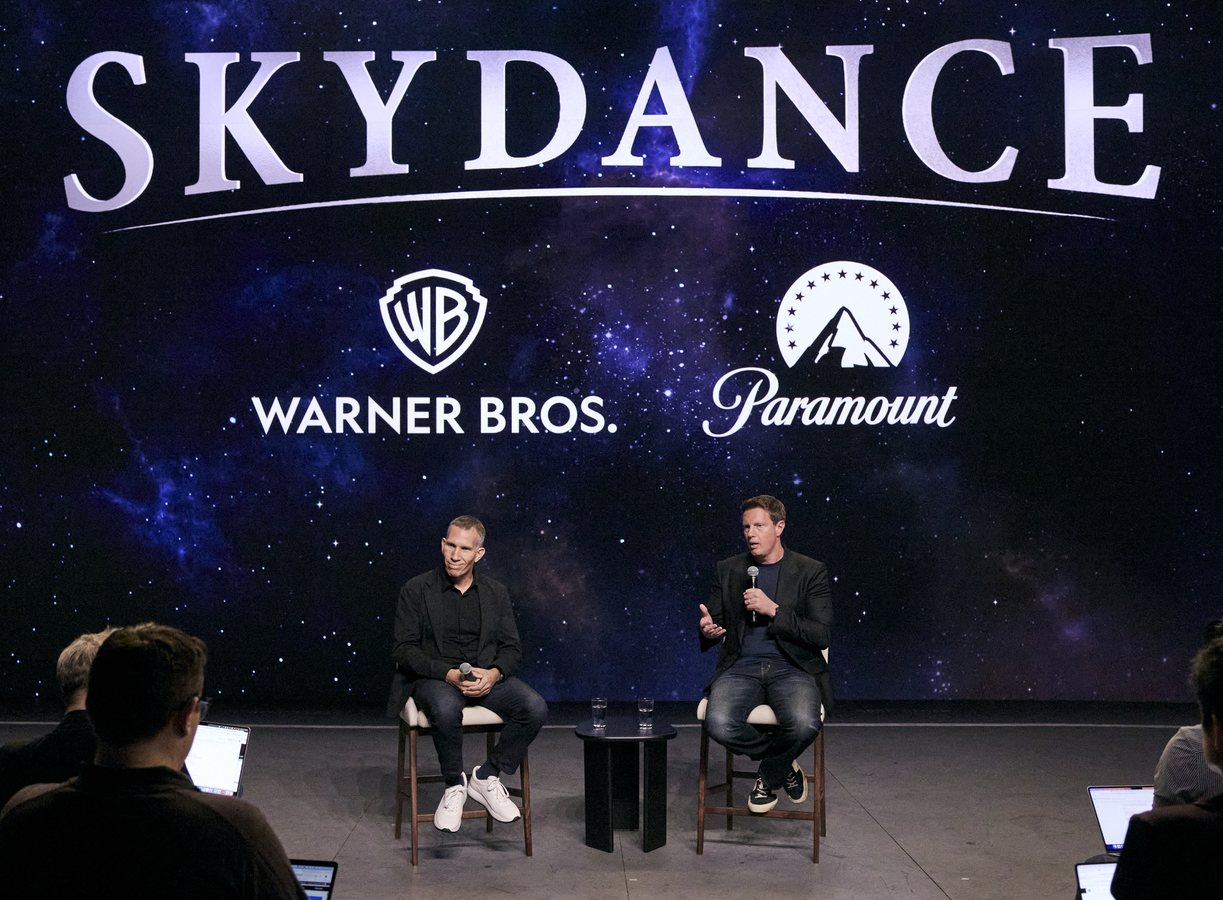
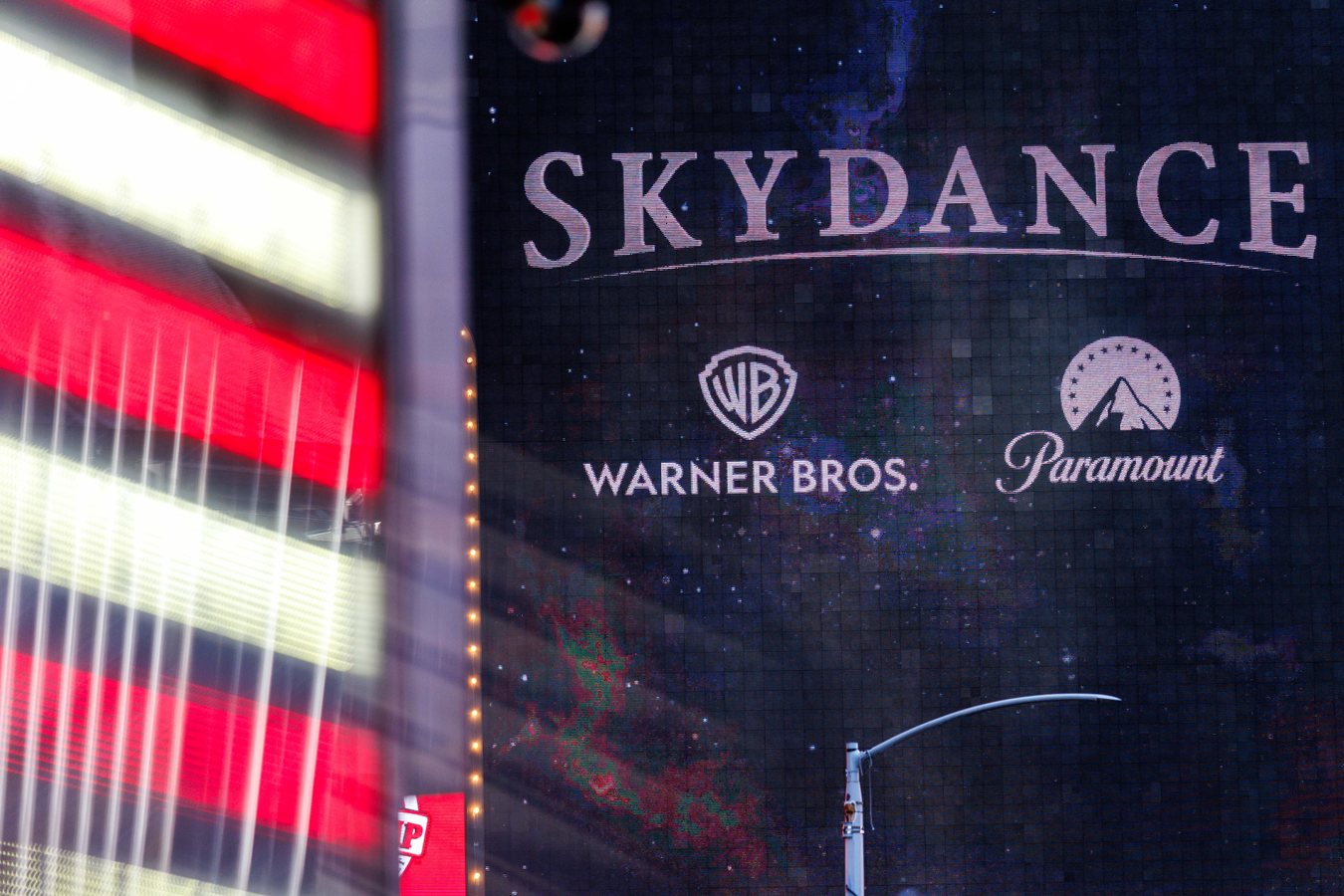
The merger is set to finalize after a two-month delay caused by antitrust scrutiny. Once completed, the combined entity will be known as Skydance, a name revealed by Ellison in a post on X. The rebranding marks the culmination of a year-long pursuit by Ellison, who has positioned himself as a champion of traditional filmmaking amid an industry increasingly dominated by streaming and cost-cutting.
Gerry Cardinale, a Paramount board member and the principal architect of the deal, has moved to reassure stakeholders about the merger's financial implications. He insists that most of the $6 billion in expected cost savings will not come from layoffs, stating that non-labor costs will account for the bulk of the reductions. The promise of $6 billion in savings was made to investors as part of the transaction's rationale, but Cardinale's comments suggest that workforce reductions will be limited.
Cardinale also addressed perceptions of Ellison's political connections, particularly his relationship with former President Donald Trump. Speaking at the Bloomberg Screentime conference in Los Angeles, Cardinale said the notion that Ellison is tight with Trump has been «way overstated.» He urged observers to look beyond political affiliations, emphasizing that the focus should remain on the business and creative merits of the merger.
The deal has drawn attention across the Atlantic, where European production and distribution sectors are watching closely. Many in the industry view Ellison's leadership as a potential stabilizing force for Warner Bros., a studio with a storied history in film and television. The optimism expressed by European leaders contrasts with broader anxieties about consolidation in media, which often leads to reduced competition and fewer independent voices.
Warner Bros. Discovery has faced significant challenges in recent years, including mounting debt and the pressures of the streaming wars. The merger with Paramount Skydance is seen by some as a necessary step to achieve scale and compete with tech giants like Netflix and Amazon. However, critics worry that the combined company's debt load could hinder its ability to invest in original content.
Ellison has sought to allay such concerns by emphasizing his dedication to theatrical releases and filmmaker relationships. His outreach to European partners appears to have paid off, with several industry figures publicly backing the deal. The sentiment was captured in a quote from one European executive: «I believe in his commitment to cinema.»
As the closing date approaches, all eyes will be on how the newly named Skydance integrates Warner Bros.' vast library and production operations. The merger is expected to reshape the entertainment landscape, affecting everything from film slates to television licensing. For now, European leaders remain cautiously hopeful that Ellison's stewardship will preserve the creative legacy of one of Hollywood's most iconic studios.
27